Tree Service · Allen, TX
Tree Removal in Allen, TX
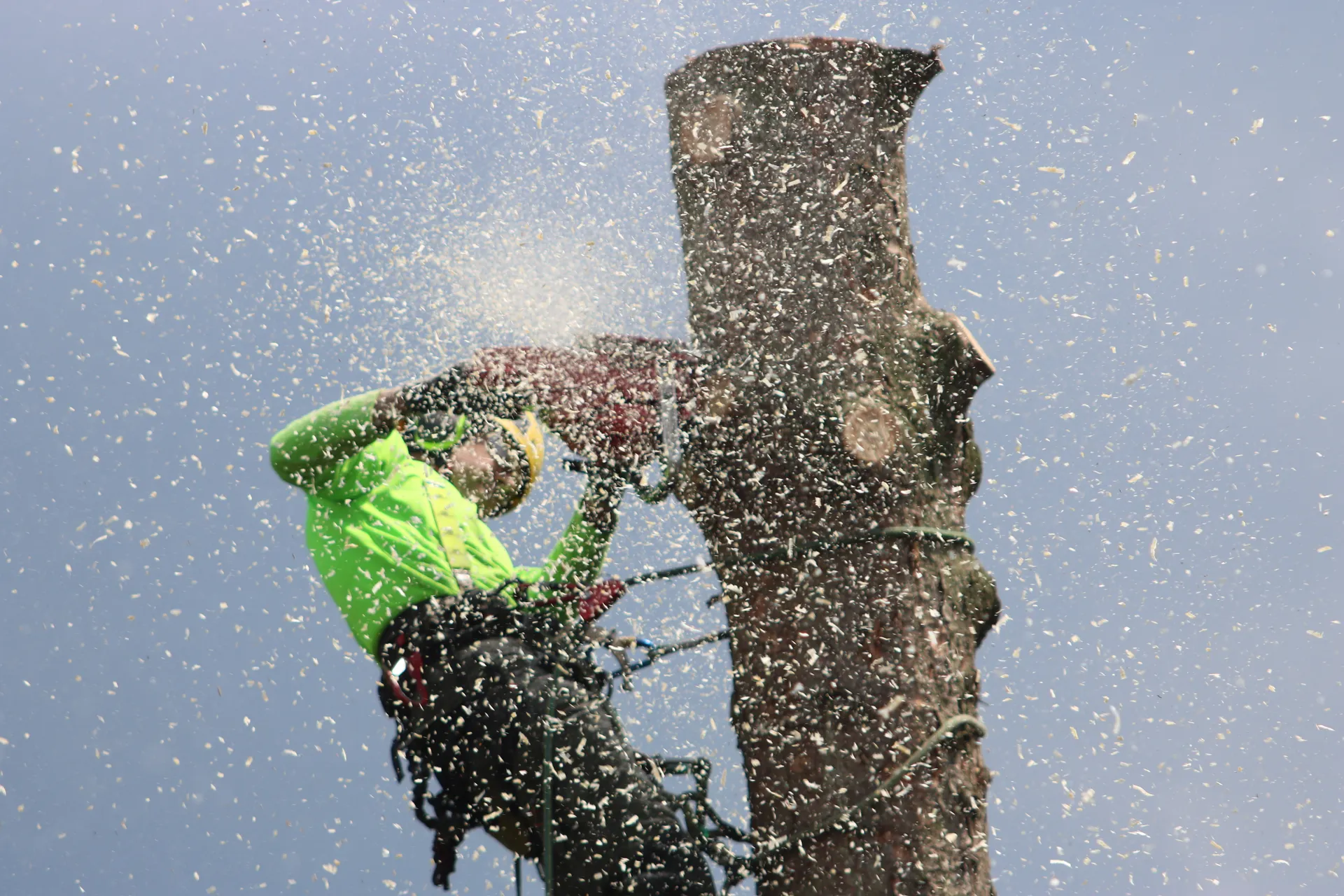
Tree Service Allen Woods Co coordinates tree removal across Allen, McKinney, Plano, Fairview, and the wider Collin County stretch of Dallas–Fort Worth — 15 years of local coordination, calls answered 24 hours a day. Whether it's a storm-split cedar elm leaning over a driveway on a quarter-acre Allen lot or a stand of dead ash on a Fairview acreage property, the tree crews and arborists coordinated here handle removal as a full, standards-based job: hazard assessment, directional felling or sectional dismantling and rigging, stump handling, and complete debris haul-off, not just a chainsaw and a truck.
Removal in Collin County carries a specific local risk profile most homeowners don't see until an arborist points it out. Blackland Prairie clay swells and shrinks hard across the seasons, straining root systems and pushing already-stressed live oaks, red oaks, and cedar elms toward decline; violent spring storms snap weak-wooded Bradford pears and crape myrtles outright; and two advancing threats — oak wilt (76 Texas counties) and emerald ash borer (confirmed inside the Dallas metro and adjacent Rockwall County) — are killing species that make up a large share of Allen's canopy. Allen and its neighbors grew explosively from the 1990s through the 2000s, so most subdivision trees are now maturing into removal age together — why removal calls come in steadily rather than as rare emergencies.
This page covers tree removal specifically — taking a tree down safely and completely, whether it's large, dead, storm-damaged, or simply in the wrong place. Ongoing canopy maintenance that keeps a healthy tree from ever needing removal is tree trimming & pruning; the leftover stump is handled separately on the stump grinding page; and same-day response for a tree that's already down or threatening a structure is covered on the emergency & storm tree service page. Planned removal is a different job with a different pace, and it's the one this page is built around.
A removal runs through the same sequence every time: an arborist evaluates the tree's health, lean, and access, confirms whether the job needs a permit, then the crew rigs and fells or sections the tree using ANSI Z133 protocols, grinds or leaves the stump, and hauls every branch and chip off the property. Hazardous trees over structures are sectioned piece by piece rather than felled whole, and the tallest jobs bring in a crane to lift sections clear of a house or pool.
What We Do
Our Tree Removal Services in Allen
Not every removal is the same job. A small dead cedar elm, a leaning heritage oak over a pool, and a storm-snapped ash over a fence line each call for a different approach — here's how the coordinated crews scope each one.
Large & Hazardous Tree Removal
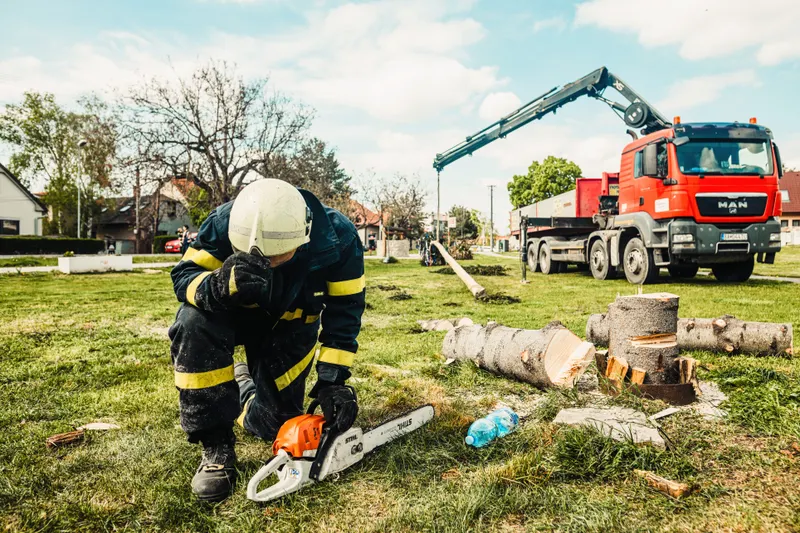
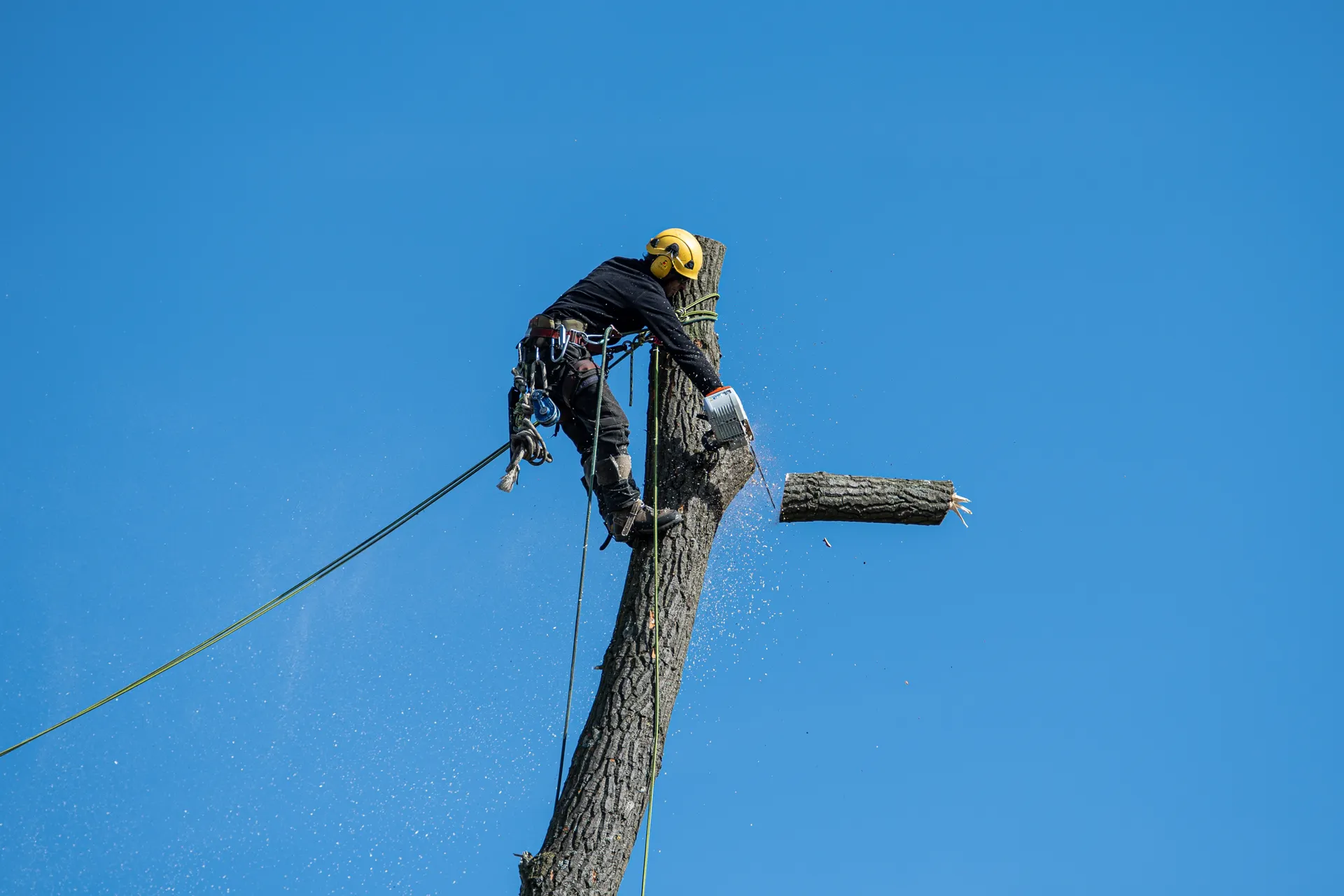
A large tree — 60 to 80 feet or taller — leaning toward a house, garage, or power line is treated as a hazard job from the first call. The coordinated arborist assesses lean angle, root plate condition, and decay before crews touch a saw, then sections the tree down in controlled pieces rather than a single directional fell.
Large removals typically run $2,500 to $5,000; very large or heavily targeted trees needing a crane run $5,000 to $15,000 or more, scaled to risk.
Dead & Dying Tree Removal
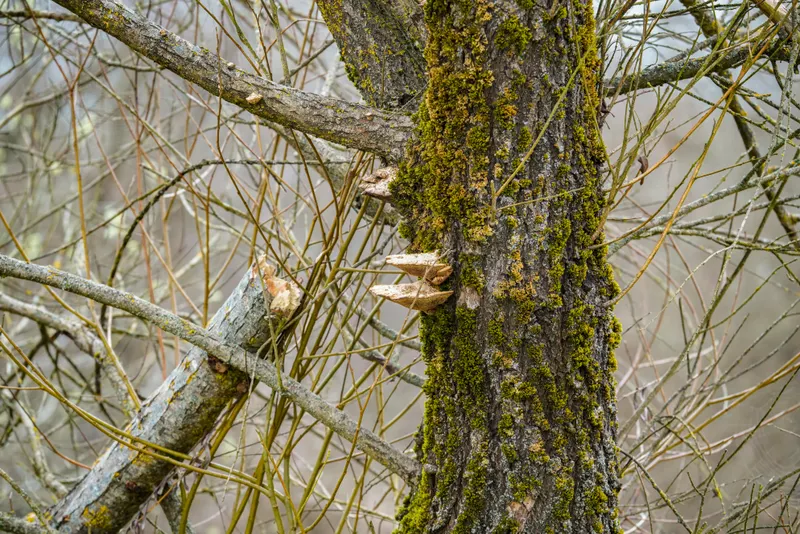
A dead tree is more dangerous to remove than a live one of the same size — decayed wood is unpredictable under a chainsaw, so dead and dying removals get extra caution, not less. Common culprits include hypoxylon canker on drought-stressed oaks, oak wilt killing live oaks and red oaks, and emerald ash borer hollowing out green ash from the subdivision boom.
Dead-tree pricing follows the same size bands as live removal, with decay factored into the on-site quote.

Crane-Assisted Tree Removal
When a tree is too tall, too close to a structure, or sits in a backyard with no room to drop sections safely, a crane lifts each cut piece up and over the target instead of letting it fall. This is standard practice for the largest hazardous removals — oaks and pecans over 80 feet, or anything overhanging a pool or power line the crew can't rig around.
Crane-assisted jobs fall in the $5,000-plus range and typically take a full day or two to position the crane and set each piece down clear of the site.
Oak & Hardwood Tree Removal
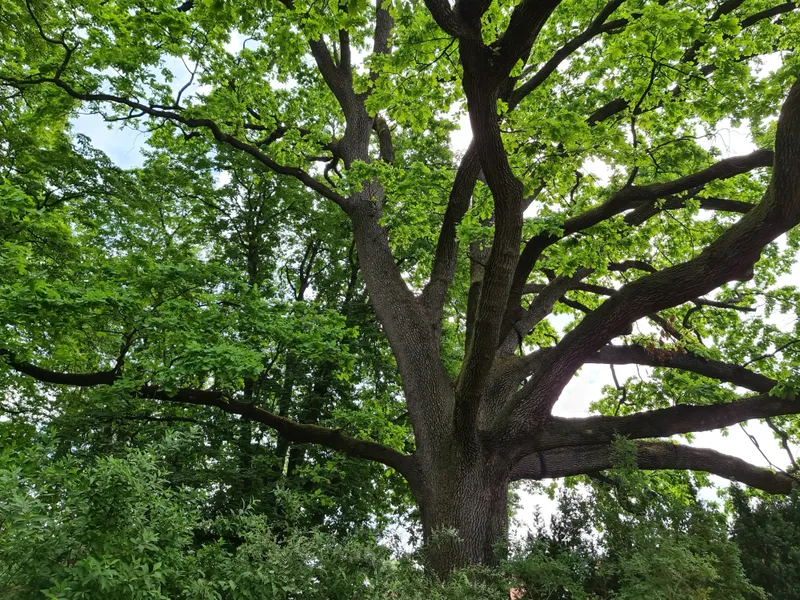
Live oaks, red oaks, post oaks, bur oaks, and pecans make up a large share of the mature canopy across Allen, McKinney, Plano, and Fairview, and their dense wood changes how a removal is rigged compared to a lighter cedar elm. Oak removals also carry a disease dimension: oak wilt spreads above ground through beetles drawn to fresh wounds and below ground through root grafts, so a diseased oak gets evaluated for whether neighboring oaks need trenching too.
Hardwood density also affects the leftover stump — oak stumps run 20 to 30% more to grind.
The Benefits
Deciding Whether to Remove or Save a Tree
Removal is always the last option, not the first one. Here's how the coordinated arborists weigh saving a tree against taking it down.
When a Tree Can Usually Be Saved
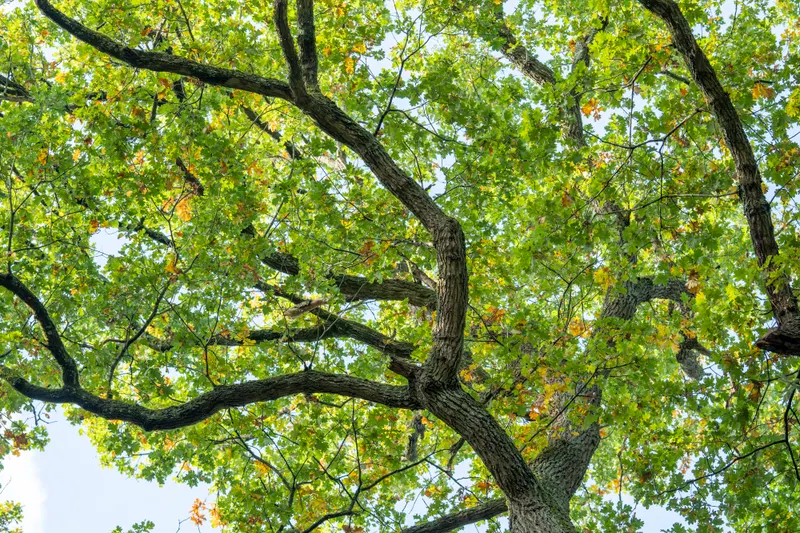
A tree with a healthy root flare, minor deadwood, and no more than moderate lean is often a pruning or plant-health-care candidate rather than a removal. Early-stage oak wilt can sometimes be slowed with fungicide injection and root-graft trenching, and a tree stressed by drought often responds to deep-root fertilization. Structural pruning under ANSI A300 can also correct a poorly formed young tree before it becomes a hazard, which is why every removal quote starts with an honest assessment of whether it's worth saving.
When Removal Is the Right Call
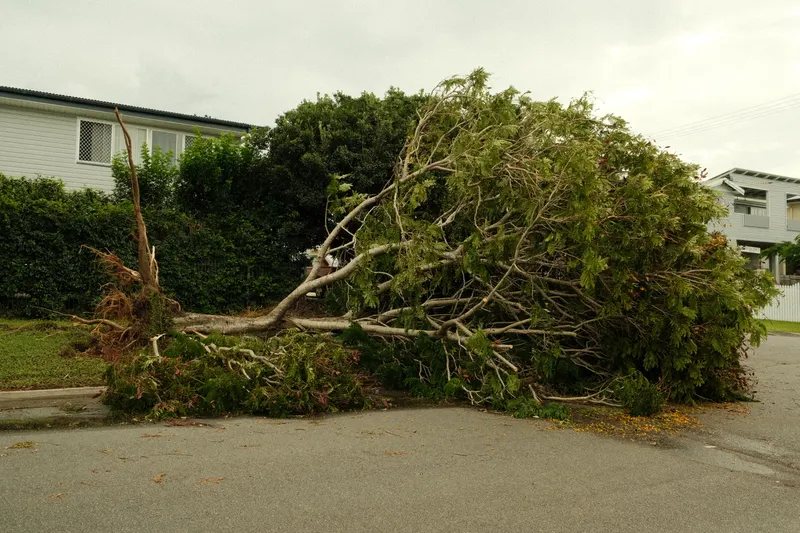
A tree earns a removal recommendation when the risk outweighs the value: significant trunk decay, a root plate heaved after a storm, more than half the canopy dead, advanced oak wilt, or a lean that's accelerated since the last inspection. Proximity matters too — a marginal tree over a play set or shared property line gets a lower risk tolerance than the same tree in an open field. The arborist's job is a straight answer either way, not a default to removal for the bigger invoice.
Permits and Protected Trees in Allen
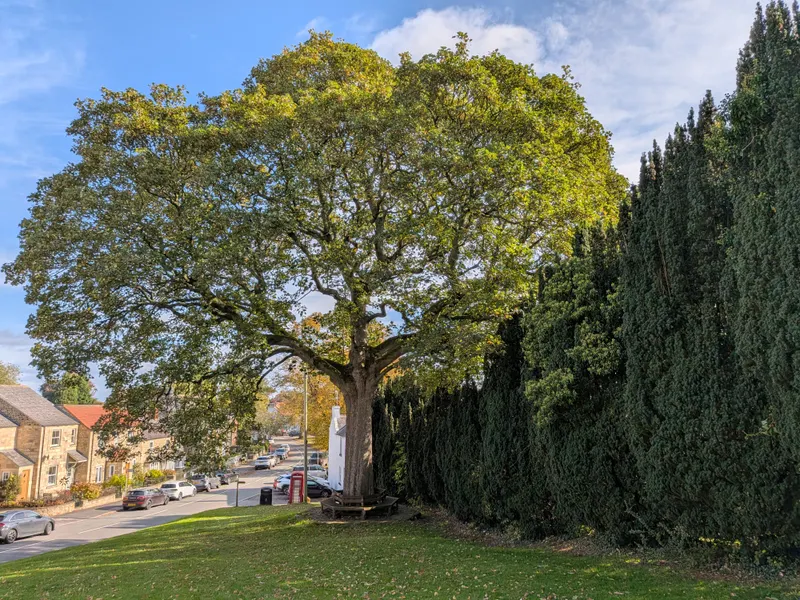
The City of Allen's tree preservation ordinance protects trees at roughly 6-inch caliper and larger, meaning removing a qualifying tree on a developed lot generally requires a permit and can require mitigation — replacement plantings or a payment into the tree fund. The good news: dead, diseased, or structurally hazardous trees, and trees damaging a foundation or driveway, are generally approvable, though the paperwork still has to be filed correctly. McKinney, Plano, and Fairview each run their own version of this ordinance, so we confirm the requirement before applying.
Not sure whether a tree needs to come down or can be pruned back to health? Tree trimming & pruning covers structural pruning, deadwooding, and crown work that can sometimes save a tree with options left. If the tree is already down or actively threatening a structure, emergency & storm tree service covers 24/7 response. Fairview's large-lot canopy of mature live oaks, red oaks, and pecans is a good example of the specimen-tree removal and crane work this page describes — see tree service in Fairview, TX for what that looks like on the ground. For the complete list of what's coordinated across Allen and Collin County, see our services — the same Allen tree service crew network behind every removal here.
Frequently Asked Questions
How much does tree removal cost in Allen, TX?
Pricing scales with the tree's size and risk. A small tree up to about 30 feet typically runs $200 to $800, a medium tree in the 30 to 60 foot range runs $800 to $2,500, and a large tree from 60 to 80 feet runs $2,500 to $5,000. Very large or heavily targeted trees needing extensive rigging or a crane can run $5,000 to $15,000 or more. Species, access, and proximity to structures also factor into the on-site quote we provide before any work starts.
Do I need a permit to remove a tree in Allen?
It depends on the tree's size and health. The City of Allen protects trees at roughly 6-inch caliper and larger, so removing a qualifying tree on a developed lot generally requires a permit and can require mitigation, such as replacement plantings or a payment into the tree fund. Dead, diseased, or structurally hazardous trees are generally approvable even under that ordinance, but the paperwork still has to be filed correctly. We confirm the current threshold for the specific address before applying, since McKinney, Plano, and Fairview each enforce their own version of this rule.
How do I know if a tree is dead, dying, or hazardous rather than just stressed?
Look for a combination of signs: bark sloughing off in sheets, no leaf-out in spring on part or all of the canopy, fungal conks growing from the trunk or root flare, deep vertical cracks, and a root plate that looks heaved at the base. A pronounced lean that's increased since you last noticed it is a serious red flag, especially after a storm. Dead wood is far less predictable to cut than live wood, so we recommend a free on-site assessment from an arborist rather than guessing from the ground, particularly near a house or fence line.
Can a tree with oak wilt be saved, or does it need to come down?
It depends on how advanced the infection is. Oak wilt, confirmed in 76 Texas counties, spreads both above ground through sap-feeding beetles carried to fresh wounds and below ground through root grafts between neighboring oaks, and it kills live oaks especially fast once established. A tree caught early with limited crown loss can sometimes be treated with propiconazole fungicide injection and protected by trenching to sever root grafts to nearby oaks. A tree that's already lost most of its canopy is usually beyond saving and becomes a transmission risk to its neighbors, which is why we evaluate the whole stand, not just one tree.
Is emerald ash borer a real threat to trees in Allen and Collin County?
Yes. Emerald ash borer has spread to roughly three dozen Texas counties and is already confirmed inside Dallas city limits and in Rockwall County, which borders Collin County directly. Allen, McKinney, and Plano all have significant green ash planted during the 1990s–2000s subdivision boom, and EAB larvae girdle a tree from the inside, so visible decline often shows up only after the infestation is well established. An arborist inspection now, while treatment options like trunk injection are still viable, is a far better position than waiting until the canopy thins.
Do you remove the stump too, or is that a separate job?
Stump handling is offered alongside removal but priced and scheduled as its own step, since not every customer wants the stump ground the same day. If you want it gone, stump grinding runs $2 to $5 per diameter inch with roughly a $300 minimum, and hardwood stumps like oak run 20 to 30% more because of the wood's density. Full details live on our [stump grinding](/stump-grinding) page, and we're happy to quote both together in a single visit so there's no second trip needed.
Will removing a large tree damage my lawn, driveway, or fence?
The coordinated crews plan the rigging path and drop zones to protect the property, using plywood or mats to distribute equipment weight on lawns and driveways and lowering large sections with rope rigging rather than letting them free-fall. Tight backyard access, pool equipment, and fence lines all get accounted for in the pre-job walkthrough, and crane-assisted removal is often the better call because it lifts material clear of the yard instead of dragging it through. Any incidental damage gets discussed and resolved directly rather than left as a surprise on the invoice.
How long does a typical tree removal take?
A standard removal with good access — a small to medium tree with clear space to drop or section it — usually takes a few hours to one day. Large or crane-assisted removals, especially oaks and pecans over 80 feet or trees requiring extensive rigging, typically run one to two full days once you include crane setup, sectioning, and site cleanup. Emergency storm response moves faster on the make-safe portion, with full cleanup sometimes following on a later visit if daylight runs out first.
How is a big removal rigged over a house or a fence?
Yes. The tree crews and arborists coordinated through Tree Service Allen Woods Co hold arborist credentials, and are trained to ANSI Z133 safety standards for rigging and aerial work plus ANSI A300 standards for any pruning that accompanies a removal. The rigging plan and drop zone are agreed with you before work begins — a hazardous removal is no place to cut corners on who's holding the chainsaw thirty feet up.
Do you offer emergency tree removal after a storm?
Yes — calls come in 24 hours a day because North Texas storm season doesn't wait for business hours. A tree that's split, uprooted, or hanging over a structure after hail or straight-line winds gets triaged as an emergency, with the immediate priority being to make the site safe before full removal and cleanup follow. Our [emergency & storm tree service](/emergency-tree-service) page covers same-day response and debris haul-off in more depth if that's what you're dealing with right now.
What's the difference between removing a tree in Allen versus in McKinney or Fairview?
The core process — assessment, rigging, felling or sectioning, cleanup — is the same everywhere, but local conditions shift the details. Fairview's large-lot zoning means bigger specimen trees and more crane-assisted work, while Allen and McKinney's denser lots mean tighter access and more careful rigging around fences. Permit requirements also differ by city, so we confirm the specific rule before filing anything.
Get Your Tree Removal Quote
Large, dead, hazardous, or simply in the way — coordinated crews handle it safely, with full cleanup. Call (469) 991-2798, 24 hours a day.
(469) 991-2798