Tree Service · Allen, TX
Shrub & Hedge Trimming in Allen, TX
Tree Service Allen Woods Co coordinates shrub and hedge trimming across Allen, McKinney, Plano, Fairview and the wider Collin County corridor of the Metroplex — 15 years of local coordination, calls answered 24 hours a day. The crews coordinated here handle hedge trimming and shaping, shrub and bush pruning, ornamental and small-tree pruning, and overgrown shrub removal: the foundation-bed layer of a property that a homeowner actually sees every single day, long before anyone notices the shade trees overhead.
A hedge line does more for a home's curb appeal than any one tree, and it's also the layer most homeowners damage themselves with a gas hedge trimmer run on the wrong week. Timing is half the job: spring-blooming shrubs like azalea and forsythia set next year's flower buds within a few weeks of finishing their current bloom, so a hedge sheared on the wrong month can erase a full season of color before a single bud opens. Boxwood, holly, nandina and red-tip photinia — the four shrubs planted along almost every foundation bed in Allen's 1990s-and-2000s subdivisions — each want a different cut.
The cuts themselves follow the same structural logic ANSI A300 sets for trees, scaled down to shrub wood: thinning cuts that open a plant to light and air instead of shearing a hard outer shell that goes brown and hollow inside within a couple of seasons. Every job is quoted as one fixed number after a walk of the beds, not a per-hour rate that grows once the crew is already on the clock.
When Allen homeowners bring this crew in for hedge and shrub work, they're choosing people who treat the front-bed layer with the same standards-based care given to a mature oak overhead — not a landscaper running a trimmer flat down the row and calling the job finished. That's the difference between a hedge that holds its shape into next spring and one that needs the same hard reset every few months.
What We Do
Our Shrub & Hedge Trimming Services in Allen
Formal hedges, loose foundation shrubs, small ornamentals and the occasional overgrown mess each need their own approach. Here's how the coordinated crews scope each one, plant by plant.
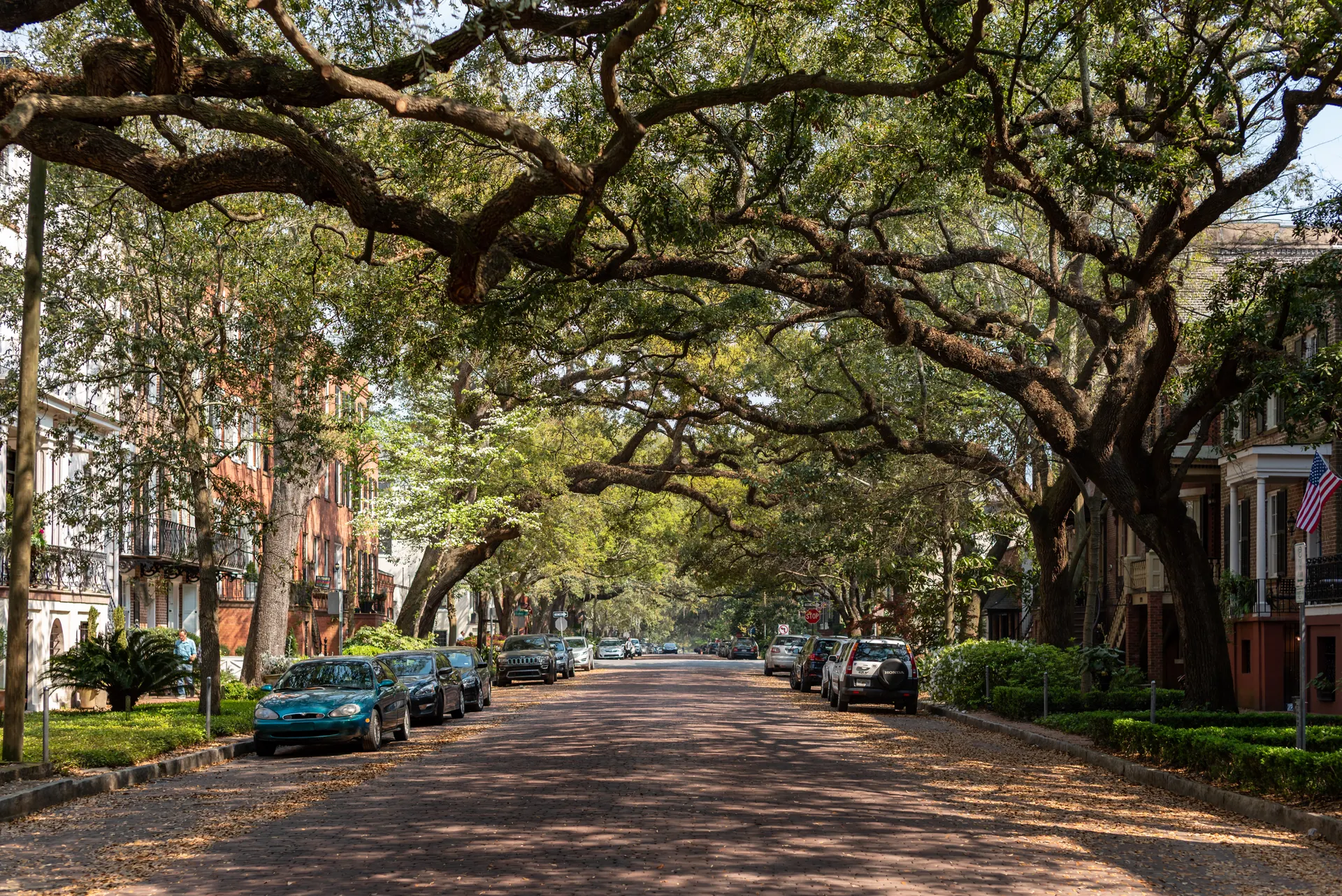
Hedge Trimming & Shaping
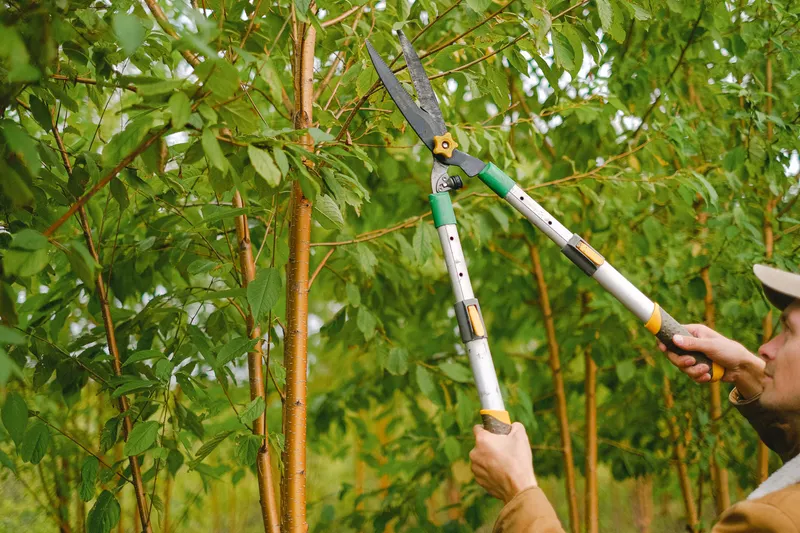
Formal hedges — a clipped boxwood border along a walkway, a photinia privacy screen between yards — get sheared to a level, slightly tapered face so sunlight reaches the bottom growth instead of just the top, which is what keeps a hedge full down to the ground instead of going bare and leggy at the base. Informal hedges, more common on larger Fairview and Lucas lots, get selective hand-pruning instead of a flat shear, keeping the natural form while still holding a clean line.
Either way, the goal is a hedge that reads as intentional from the street, not one clipped into a shape the plant is fighting against.
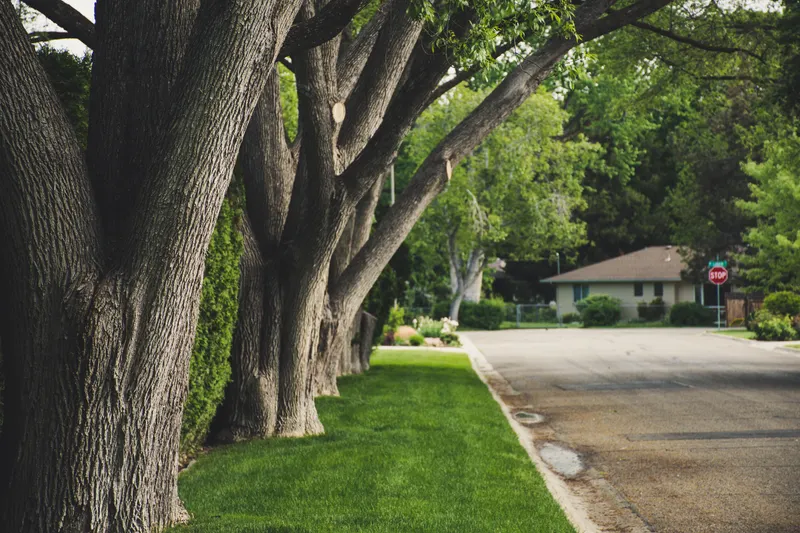
Shrub & Bush Pruning
Individual shrubs and foundation bushes — nandina, holly, boxwood, dwarf yaupon — are pruned on a schedule tied to how and when each species blooms or sets new growth, not on a fixed calendar date. Spring bloomers get their cut right after flowering finishes so next year's buds, which set within weeks of that bloom, are never removed by mistake; summer and fall bloomers are cut back in late winter dormancy instead.
Red-tip photinia, a common Collin County foundation shrub, is thinned rather than sheared where possible, since a dense sheared face traps humidity against North Texas's clay-heavy, poorly draining beds and invites leaf-spot problems a more open plant avoids.
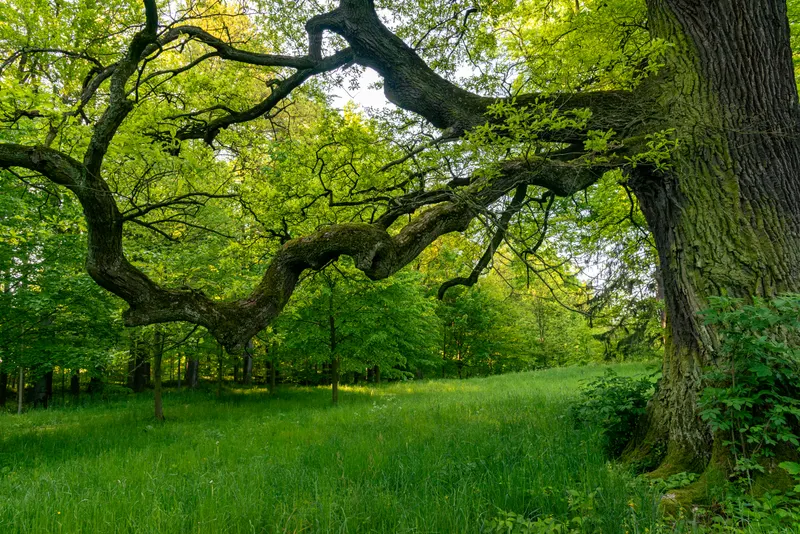
Ornamental & Small-Tree Pruning
Smaller ornamentals in foundation beds and courtyards — dwarf and multi-stemmed crape myrtles planted as shrub-scale specimens rather than shade trees, along with hollies, wax myrtles and the occasional Japanese maple in a shadier Plano or McKinney yard — get pruned for natural branch structure. Larger, full-size canopy crape myrtles get the deeper structural work covered on tree trimming; this page's scope is the smaller, bed-scale specimens living among the shrubs.
The same rule applies at every size: cuts respect a plant's natural branching, never a stub cut that forces a mass of weak, whip-like regrowth the following spring.
Overgrown Shrub Removal
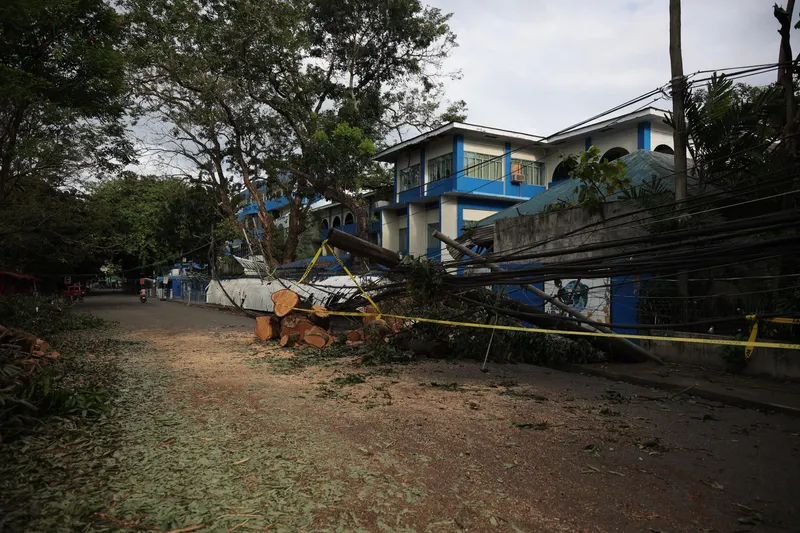
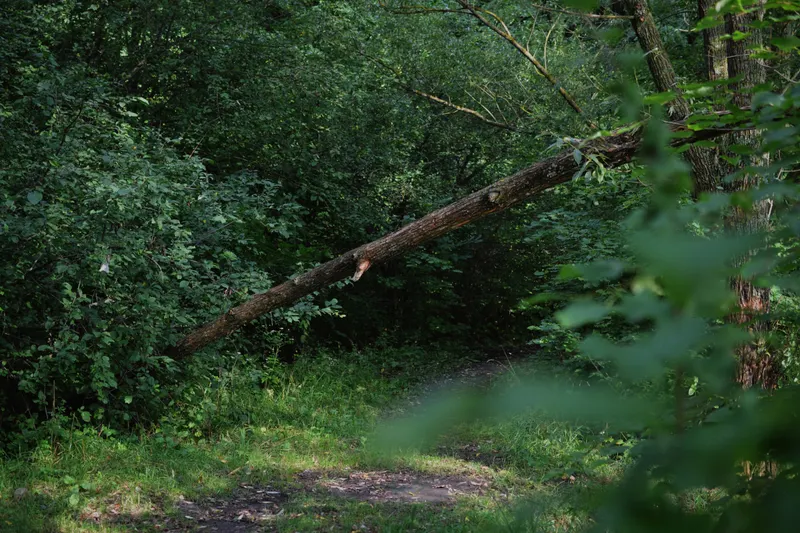
Some foundation shrubs are past the point pruning can fix — a photinia hedge with a bare, woody interior, a boxwood row that's outgrown its bed by three feet, or nandina that's suckered into a solid thicket. Those come out entirely, root ball and all, rather than getting cut back into a shape that won't hold.
For a bed, fence line or lot corner that's gone past a few overgrown shrubs into a genuine tangle of brush and volunteer growth, that's a bigger job than trimming — see land clearing for that scale of work.
The Benefits
Why Trimmed Right Matters in Allen
A hedge cut on the wrong schedule or with the wrong technique doesn't just look worse for a season — it costs curb appeal, plant health, and eventually the shrub itself.
Curb Appeal HOA Committees Actually Check
Most Allen, McKinney and Plano subdivisions built through the 1990s and 2000s carry an active homeowners' association with architectural-control language covering visible landscaping, and an overgrown hedge blocking a house number or spilling onto a sidewalk is one of the more common violation notices those committees send. Kept trimmed on the right schedule, a formal front hedge or foundation bed reads as maintained from the street and from a listing photo, which matters directly when a home goes on the market.
A Plant That Blooms on Schedule
Cutting a spring bloomer at the wrong time of year doesn't hurt the plant permanently, but it does erase an entire season's flowers, since next year's buds are already set on this year's wood within weeks of the last bloom. Timing pruning to each shrub's actual bloom cycle — rather than a single fixed date for every plant in the bed — is the difference between a hedge that flowers reliably every spring and one that never quite gets there.
Clear Sightlines and Fewer Pest Hideouts
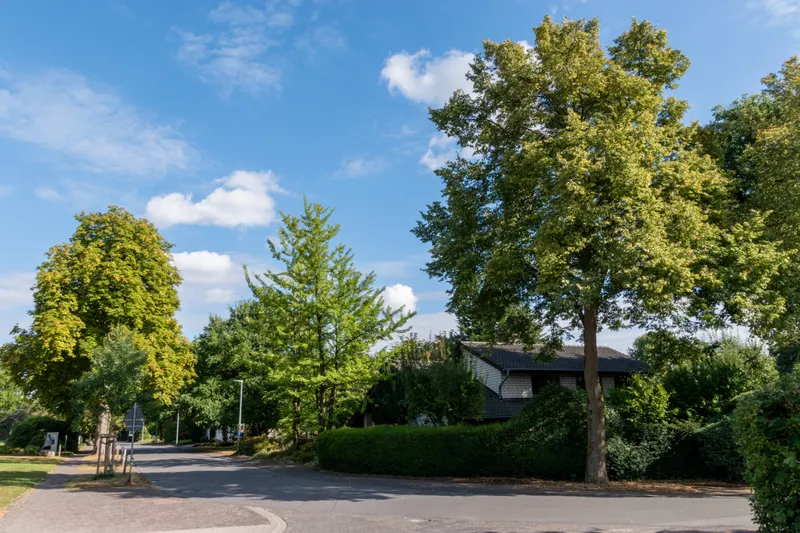
Overgrown shrubs at a driveway apron or a street corner block sightlines for backing out or for a driver checking cross traffic, a real issue on the tighter subdivision lots common across Allen and Fairview. A dense, unthinned hedge pressed against a foundation also holds moisture against the siding and gives rodents and insects a sheltered path straight to the house — thinning that growth back removes both problems at once.
Why Us
Why Allen Chooses Us for Shrub & Hedge Work
Foundation-bed work gets treated like an afterthought by most crews. Here it gets the same standards-based approach as the trees above it.
Species-Correct, Not One Setting
Boxwood, photinia, nandina and holly don't get the same cut, and the crews coordinated here plan each hedge and bed by species and bloom timing before a blade touches a branch. That's the difference between a hedge trimmed to a schedule that actually fits the plant and one clipped on whatever day the crew happened to show up.
Fluent in Subdivision and HOA Landscaping
Between the tight foundation beds of a 2000s-built Allen subdivision and the larger, more established hedge lines around Fairview's Heritage Ranch, this crew has trimmed the full range of Collin County's residential landscaping and knows what an architectural-control committee typically flags. That local range means fewer surprises about what a given yard actually needs.
Tools Cleaned Between Plants
Pruning shears and loppers are wiped down between different shrubs on the same job, not just between properties, since a fungal or bacterial problem on one photinia or boxwood can spread to its neighbor on a dirty blade. It's a small extra step most trimming crews skip, and it's standard here on every hedge and bed.
Not every foundation shrub needs a full trim — a dead or diseased specimen might need diagnosis first, which is covered on tree health care, and a hedge or bed that's gone past trimming into a genuine overgrown tangle belongs with land clearing instead. Subdivisions like Stonebridge Ranch in McKinney carry some of the same 1990s-and-2000s foundation planting this page is built around, on the same HOA-driven maintenance schedule. For the full list of what's coordinated across Allen and Collin County, see our services — the same Allen tree service crew network that keeps the trees overhead and the hedges below them on the same standard.
Frequently Asked Questions
How much does shrub and hedge trimming cost in Allen, TX?
Pricing for hedge and shrub work is driven by the linear footage of hedge, the number and size of individual shrubs, and how overgrown the beds have gotten since the last trim, rather than a flat per-visit rate. A tidy foundation bed on a normal maintenance cycle costs far less than a photinia hedge that hasn't been touched in two or three years and needs a hard renovation cut. Every job gets a fixed, written number after a walk of the property, so there's no per-hour surprise once the crew starts, and multiple beds or hedges trimmed on the same visit typically run less per shrub than a single small job.
Do I need a city permit to trim hedges or shrubs in Allen?
No. The City of Allen's tree preservation ordinance protects trees at roughly 6-inch caliper and larger, and it does not cover hedges, foundation shrubs, or ornamental plantings — so routine trimming, shaping, or even removing an overgrown shrub entirely doesn't require the permit or mitigation process a protected tree removal would. The same holds across McKinney, Plano and Fairview's tree ordinances, which are all written around caliper-sized trees rather than shrub-scale plantings. The one exception worth a quick check is a shrub row that's genuinely doubling as a property-line screen under an HOA's separate landscaping rules, which is a private covenant issue rather than a city permit.
When is the best time to trim hedges without losing next year's flowers?
Spring-blooming shrubs like azalea and forsythia set next year's flower buds within a few weeks of finishing their current bloom, so the right window is right after they flower, not in late winter before they've bloomed at all — a late-winter cut removes the very wood that would have flowered that spring. Summer and fall bloomers, along with purely foliage shrubs like boxwood and nandina, are better cut back during late-winter dormancy instead, before new spring growth starts. Getting this backwards is the single most common reason a hedge or shrub bed stops flowering well, and it's avoidable with the right per-species schedule.
Do you trim boxwood, red-tip photinia, holly and nandina differently?
Yes. Boxwood generally holds a formal sheared shape well and tolerates a level, tapered face cut. Red-tip photinia does better thinned selectively rather than sheared hard, because a dense sheared face traps humidity against North Texas's clay-heavy beds and invites leaf-spot problems that a more open plant avoids. Holly and nandina fall in between, usually needing selective cane removal at the base more than an overall shear, since both tend to grow leggy and bare at the bottom if only the outer face ever gets cut.
What's the difference between shrub work here and the crape myrtle pruning on your tree trimming page?
This page covers smaller, bed-scale crape myrtles planted as multi-stemmed shrubs among foundation plantings, pruned lightly for form the same way a holly or nandina would be. Larger, full-size canopy crape myrtles growing as a specimen or shade tree get the deeper structural pruning covered on our tree trimming page, including the same anti-'crape murder' approach of never topping the main stems. If a crape myrtle on a property has grown past shrub scale into a small tree, it moves to that page's scope instead of this one's.
Can you remove badly overgrown shrubs entirely instead of trimming them?
Yes, and it's often the right call once a shrub has grown a bare, woody interior that pruning can't reopen, or has outgrown its bed by several feet with no reasonable cutback point left. Full removal includes the root ball, not just cutting the top growth down, so a replacement shrub can go into clean soil rather than competing with old roots. If the overgrowth has spread past a handful of shrubs into a genuine tangle across a bed, fence line, or lot corner, that scale of clearing moves into our land clearing work instead of a standard trim visit.
Do you clean or sanitize tools between different shrubs on the same property?
Yes, and it matters more than most homeowners realize. Fungal and bacterial problems on one shrub — a leaf-spot issue on a photinia, for example — can transfer to its neighbor on the same dirty blade, spreading a problem across an entire hedge line in one trimming pass. Shears and loppers are wiped down between distinct plants, not just between different properties, which is a step a lot of trimming crews skip to save time on a job.
Can shrub and hedge trimming be scheduled with a tree trimming visit?
Yes, and combining them on one visit is common, especially for a property getting both crown work on shade trees and a foundation-bed cleanup at the same time. Scheduling both together means one site visit, one quote, and one cleanup and haul-off instead of two separate jobs. The two are priced and scoped separately since they're different techniques and different equipment, but there's no reason to split them into two visits if both are due.
Will trimming overgrown shrubs help with visibility at my driveway or street corner?
Often, yes. Shrubs left to grow unchecked at a driveway apron or a corner lot regularly block the sightline a driver needs when backing out or checking cross traffic, which is a real issue on the tighter lots common across Allen and Fairview subdivisions. Cutting that growth back to a lower, controlled height restores the sightline without necessarily removing the shrub entirely, and it's worth flagging during the initial walk of the property if visibility is the actual concern rather than just appearance.
How often should hedges and foundation shrubs be trimmed in North Texas?
Most formal hedges — boxwood, photinia screens — hold their shape best on two to three trims a year through the growing season, since North Texas's long warm season pushes new growth for most of the year. Looser, informal shrub beds typically need only one or two shaping visits a year plus spot deadwood removal as needed. Fast growers like nandina and photinia drift out of shape faster than boxwood, so a mixed bed of species often needs a schedule built around its fastest-growing plant rather than one blanket date for everything in it.
Schedule Shrub & Hedge Trimming
Hedge shaping, shrub pruning, ornamentals and overgrown shrub removal. Call (469) 991-2798, 24 hours a day.
(469) 991-2798