Tree Service · Allen, TX
Emergency & Storm Tree Service in Allen, TX
Tree Service Allen Woods Co coordinates emergency and storm tree service across Allen, McKinney, Plano, Fairview, and the wider Collin County stretch of the Dallas–Fort Worth metroplex — 15 years of local storm-response coordination, with calls answered 24 hours a day, every day of the year. When a tree comes down on a fence line at 2 a.m. or a split limb hangs over a driveway after a hailstorm, the coordinated arborists and tree crews don't wait for business hours to start triage. A dispatcher who actually answers, a crew on-site the same day, and a make-safe plan that protects the house and the people inside it first — that's the standard here, not a voicemail and a callback tomorrow.
North Texas earns its emergency-tree-service demand honestly. Collin County sits under a spring storm track that regularly throws large hail and straight-line winds through Allen, McKinney, Plano, and Fairview, with the occasional ice storm added through winter — conditions that split leaders, snap weak-wooded Bradford pears, and shred over-topped crape myrtles never structurally pruned to begin with. Hail and severe thunderstorms are a leading annual cause of tree failure across the DFW metroplex, and the region's suburban canopy makes the exposure worse: Allen grew more than 470% between 1990 and 2020, and neighbors like McKinney and Plano built out in the same window, so most local trees are now large enough that a failure reaches something worth protecting.
This page covers the emergency side of tree work — storm-damaged and fallen tree removal, hazardous hanging-limb removal, and storm debris cleanup and haul-off, all dispatched same-day. Scheduled removals of dead or unwanted trees on your own timeline are covered on the tree removal page, and if a storm-stressed tree survives but shows disease or oak wilt symptoms afterward, ongoing treatment is covered on tree health care. Every storm call starts the same way: an arborist looks at what's broken, what's under tension, and what has to happen first to make the property safe.
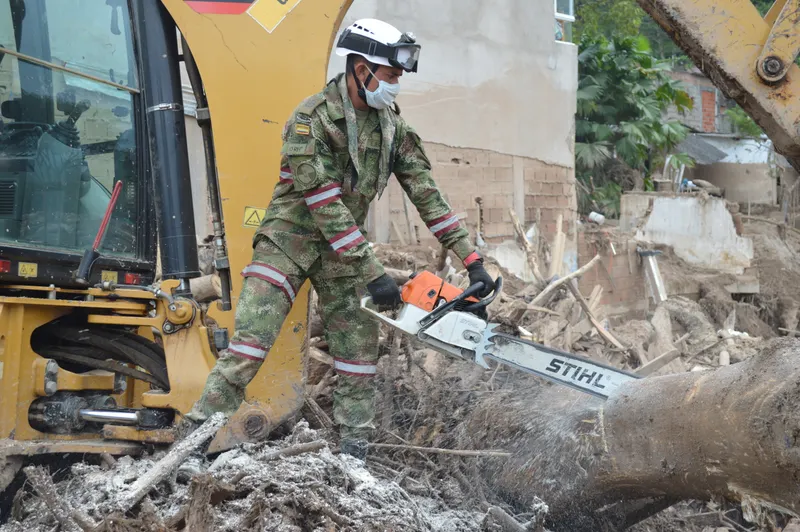
Storm-damaged trees are more dangerous to work than a routine removal, because broken wood is unpredictable — split trunks, hung-up leaders caught in a neighboring canopy, and root plates that have already partially failed can shift without warning. The tree crews and arborists coordinated here work to ANSI Z133 safety standards for exactly that reason, assessing load and tension before a single cut is made rather than treating a storm job like a bigger version of routine trimming. Full removal follows ANSI A300 practices once the hazard is stabilized, and every call includes stump grinding as an option and complete debris haul-off.
What We Do
Our Emergency & Storm Tree Services in Allen
A storm call is never routine — a hanging limb over a carport, a fence flattened under a fallen oak, and streets of debris after a hailstorm are three different jobs. Here's how the coordinated crews scope each one.
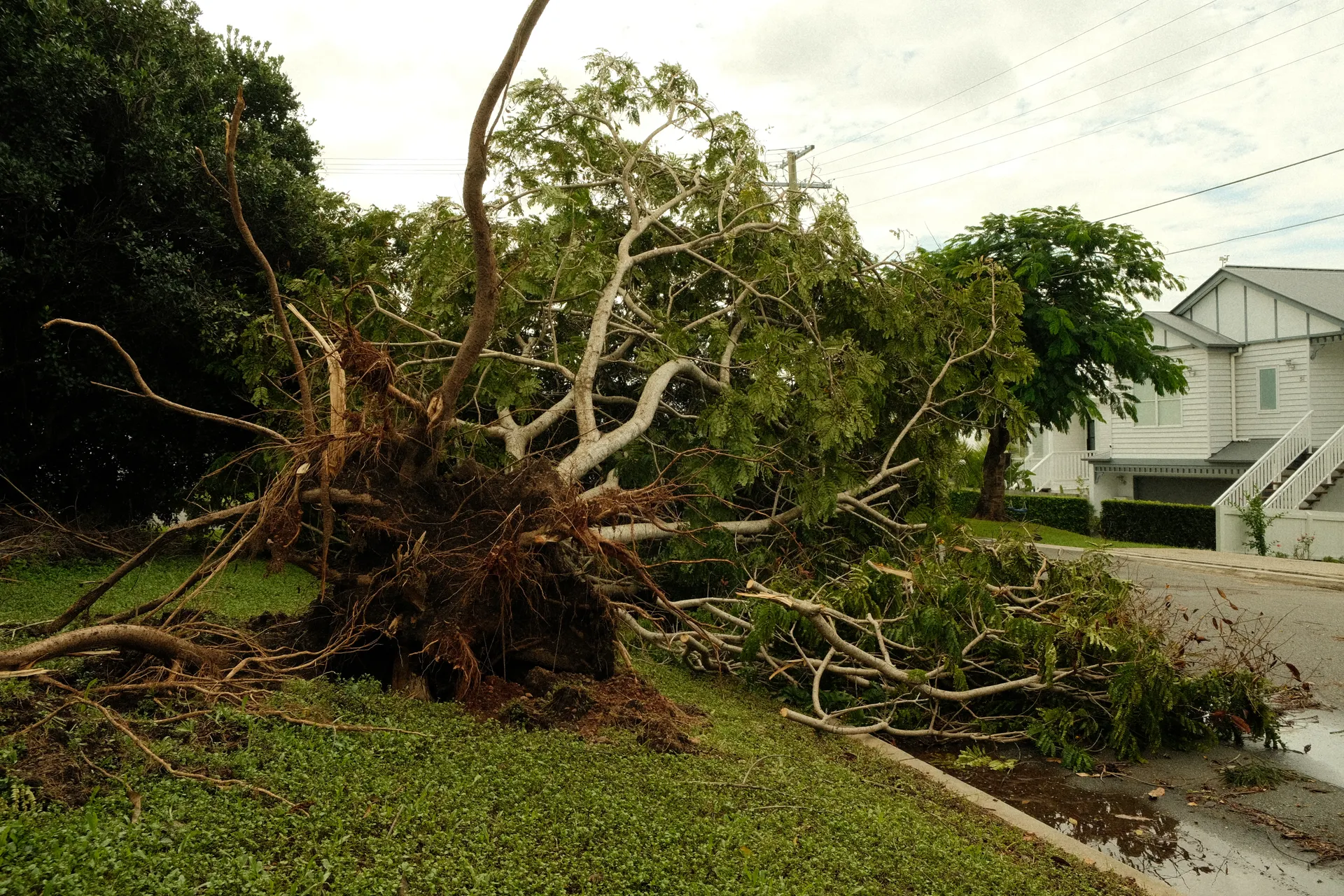
24/7 Emergency Response & Storm-Damaged Tree Removal
Calls come in 24 hours a day, and a dispatcher who actually answers walks through what's down, what's leaning, and what's still standing but compromised before a crew is sent. Storm-damaged tree removal covers trees split by hail-driven limb failure or straight-line winds, trees uprooted in saturated Blackland Prairie clay after heavy rain, and trees still standing but with a cracked leader that makes the next windy day the one that brings it down. Emergency and after-hours removal runs at a premium over the standard rate, depending on hazard level, access, and whether crane support is needed, but the assessment is always free.
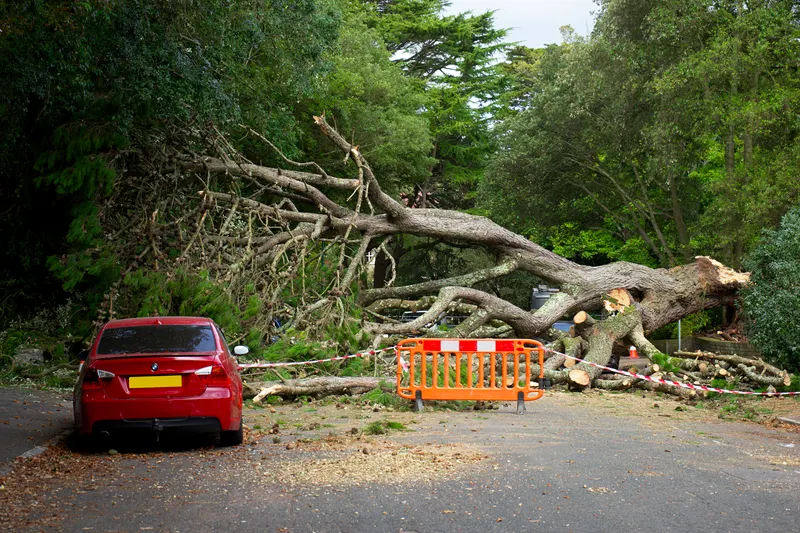
Fallen Tree Removal & Hazardous Limb Removal
A tree already on the ground — across a driveway, through a fence, or leaning on a roofline — gets cleared and hauled in a single dispatch. Hazardous hanging limbs get the same urgency: a split leader caught in a neighboring canopy or a widow-maker over a walkway is treated as an active hazard, not a line item for the next scheduled trim. Rigging and directional felling get used where a fallen or leaning tree is tangled with a fence, shed, or line, so the removal doesn't turn one problem into two. Small storm-damaged trees typically run $200 to $800 to remove, medium trees $800 to $2,500, and large or hazardous trees needing crane support $2,500 to $15,000 or more.
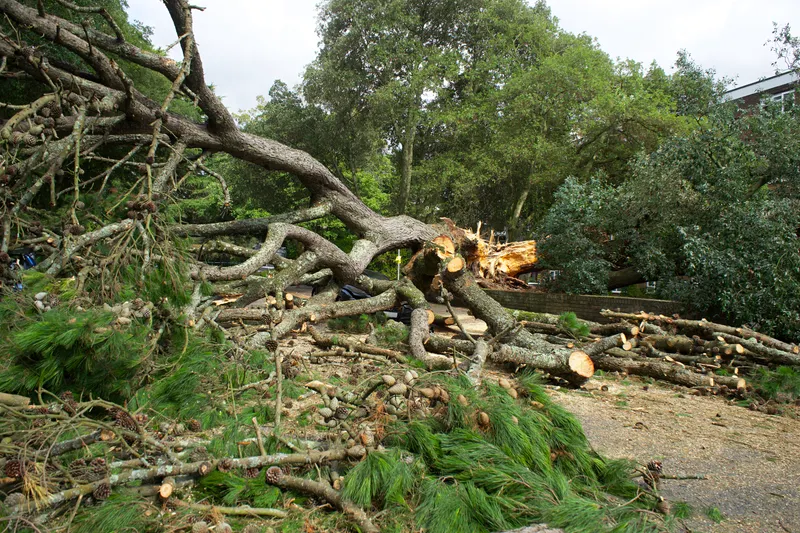
Storm Debris Cleanup & Haul-Off
A storm rarely drops just one tree — it's usually broken limbs, shredded brush, and a stump or two across the whole property. Debris cleanup and haul-off is included as part of the emergency dispatch, not billed as a separate visit days later, so the yard is clear the same day the hazard is removed. Stump grinding is offered on the spot when a storm snaps a tree at the base, typically priced at $2 to $5 per diameter inch with roughly a $300 minimum, with hardwood species like oak running 20 to 30% more to grind because of density.
The Benefits
Why Fast Storm Response Matters in Allen
A hazard tree left standing overnight is a different risk the next morning — for the house, for anyone in the yard, and for whatever the tree eventually lands on. Here's what a fast, standards-based response actually protects.
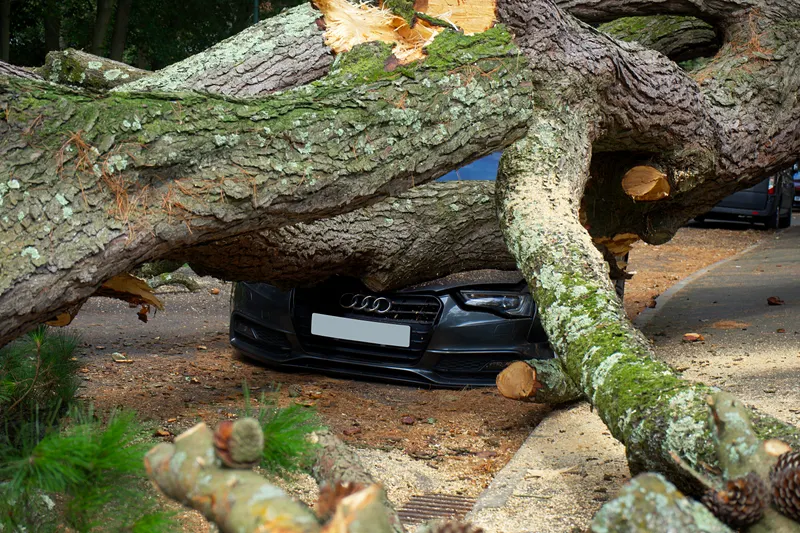
Protects the House, the Cars, and the People First
A split leader or leaning trunk over a driveway doesn't wait for a convenient appointment, and the risk compounds with every hour of wind or rain following a storm. The coordinated arborists triage by what's actually threatened — a carport, a bedroom window, a walked path — and stabilize or remove the highest-risk hazard first, rather than working strictly first-call-first-served regardless of what's underneath the tree.
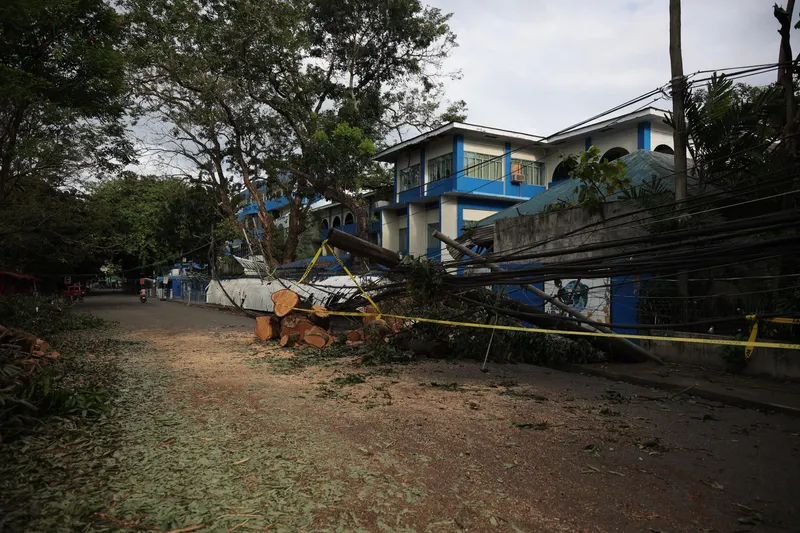
Built for North Texas's Storm Pattern, Not a One-Off
Collin County's spring severe-weather season isn't rare — hail and straight-line winds move through Allen, McKinney, Plano, and Fairview most years, and weak-wooded species planted through the area's 1990s–2000s subdivision boom fail in predictable ways. Coordinating storm response as a standing capability, not a scramble each time, means dispatch, equipment, and standards-based crews are already lined up before the next system rolls through.
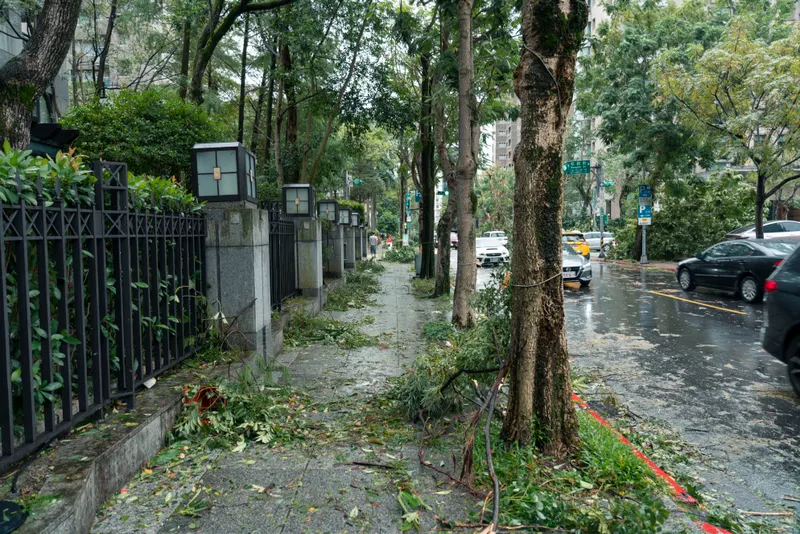
Standards-Based Even Under Storm Pressure
Storm work tempts shortcuts — flush cuts, rushed rigging, skipped hazard assessment — because everyone wants the danger gone immediately. The tree crews and arborists coordinated here still work to ANSI A300 cutting standards and ANSI Z133 safety requirements under storm conditions, because a rushed cut that damages a tree's ability to compartmentalize the wound creates a second problem on top of the first.
Why Us
Why Allen Chooses Us for Emergency Tree Service
Fifteen years of coordinating storm response across Collin County means the phone actually gets answered at 3 a.m., and the crew that shows up knows what a compromised tree looks like before the first cut.
A Real Person Answers, Day or Night
Open 24 Hours means exactly that — calls are answered around the clock, not routed to a voicemail returned in the morning. A storm at midnight gets the same dispatch response as one at noon, because a hazard tree doesn't become less dangerous just because it's dark outside.
arborists Assess Before Anyone Cuts
Not every storm call is a chainsaw job on arrival — an arborist looks at what's actually failed, what's still under load, and whether a tree can be saved with cabling and bracing instead of removed outright. That assessment separates a coordinated response from a crew that defaults to removing anything that looks damaged.
One Call Covers Removal, Cleanup, and What Comes After
Make-safe, full removal, stump grinding, and debris haul-off get handled from the same dispatch, so a homeowner isn't coordinating three vendors after a storm. If a storm-stressed tree that survives shows oak wilt symptoms weeks later, the same coordination continues through tree health care rather than starting over.
Not sure whether what's in the yard is a same-day emergency or can wait for a scheduled visit? The tree removal page covers non-emergency removals on your own timeline, and if a tree survives a storm but starts showing disease or dieback afterward, tree health care covers oak wilt, EAB, and ongoing treatment. For the full list of what gets coordinated across Allen, McKinney, Plano, and Fairview, see our services — it's the same Allen tree crew network behind every emergency call this page describes.
Frequently Asked Questions
How fast can someone respond to a fallen or storm-damaged tree in Allen?
Calls are answered 24 hours a day, and a dispatcher walks through what's down, what's leaning, and what's actively threatening a structure before a crew is sent out. Straightforward hazards — a tree blocking a driveway or a limb hanging over a walkway — are typically addressed same-day once the call comes in. Complex jobs needing crane support for widespread storm damage may take longer to schedule, but the make-safe assessment always happens first, on the same call.
How much does emergency storm tree removal cost in Allen?
Emergency and after-hours storm removal runs at a premium over the standard scheduled rate because of the urgency and off-hours labor involved, but pricing still follows size and hazard: small storm-damaged trees typically run $200 to $800, medium trees $800 to $2,500, and large or hazardous trees needing crane support $2,500 to $15,000 or more. Access and how tangled the tree is with a fence or structure both affect the final number. The on-site assessment and quote are always free.
Is my tree actually an emergency, or can it wait?
A tree is a true emergency when it's already down, actively leaning toward a structure, has a split trunk or cracked leader under visible tension, or has debris hung up in a way that could shift without warning. A dead limb with no active lean usually isn't urgent and can be scheduled through the [tree removal](/tree-removal) page instead. When it's unclear, describing what's visible over the phone is usually enough for a dispatcher to decide.
What causes so much storm tree damage around Allen and Collin County?
Collin County sits under a spring storm track that regularly brings large hail and straight-line winds through Allen, McKinney, Plano, and Fairview, and hail and severe thunderstorms are a leading annual cause of tree failure across the DFW metroplex. Weak-wooded species like Bradford pears and over-topped crape myrtles that were never structurally pruned fail especially often in these events. The region's expansive Blackland Prairie clay also swells and shrinks with rainfall, loosening root systems ahead of the next windstorm.
Will you remove a hazardous limb without taking down the whole tree?
Yes — a hazardous hanging or split limb gets assessed on its own first, and if the rest of the tree is structurally sound, only the compromised limb comes down rather than the whole tree. An arborist looks at whether the remaining structure can be saved with a proper pruning cut at the branch collar, sometimes paired with cabling or bracing. Removing the whole tree only happens when the trunk or root plate is actually compromised.
Do you haul away the storm debris, or just remove the hazard?
Storm debris cleanup and haul-off is included as part of the emergency dispatch, not billed as a separate follow-up visit scheduled for another day. That covers broken limbs, shredded brush, and any wood left from the removal itself, so the property is actually clear the same day the hazard comes down. Stump grinding is offered on the spot as well, typically priced at $2 to $5 per diameter inch with roughly a $300 minimum.
What happens first when you arrive at a storm-damaged tree?
Yes — the tree crews and arborists coordinated for every emergency call work to ANSI A300 pruning standards and ANSI Z133 safety requirements even under storm pressure. That includes arborists who assess load, tension, and hazard before any cut is made, rather than a crew that treats a storm job like a faster version of routine trimming. The make-safe plan is agreed with you before any cutting starts.
Can a storm-damaged tree be saved instead of removed?
Often, yes — if the trunk and root plate are intact and only a portion of the canopy failed, structural pruning, cabling, or bracing can stabilize the tree rather than removing it outright. The decision comes down to how much of the tree is compromised and whether what's left can safely support its remaining canopy. A tree that survives the storm but shows dieback afterward is a case for ongoing [tree health care](/tree-health-care) rather than a one-time removal.
What happens if a fallen tree is tangled with a fence or power line?
A fallen or leaning tree tangled with a fence, shed, or line gets handled with rigging and directional felling specifically because cutting it loose carelessly can shift the load unpredictably and cause more damage than the original fall. If a power line is involved, the crew coordinates with the utility rather than working around a live line directly. The goal on every entangled removal is controlling exactly where each piece goes down.
Do you serve McKinney, Plano, and Fairview for emergency tree calls, or just Allen?
Emergency and storm tree service is coordinated across Allen, McKinney, Plano, Fairview, and the surrounding Collin County towns, not just inside Allen city limits. Storm systems typically move through the whole corridor along US-75 at once, so dispatch is built to cover the wider service area rather than a single city. See the [Plano tree service](/plano-tx) page for what storm response looks like in that market specifically.
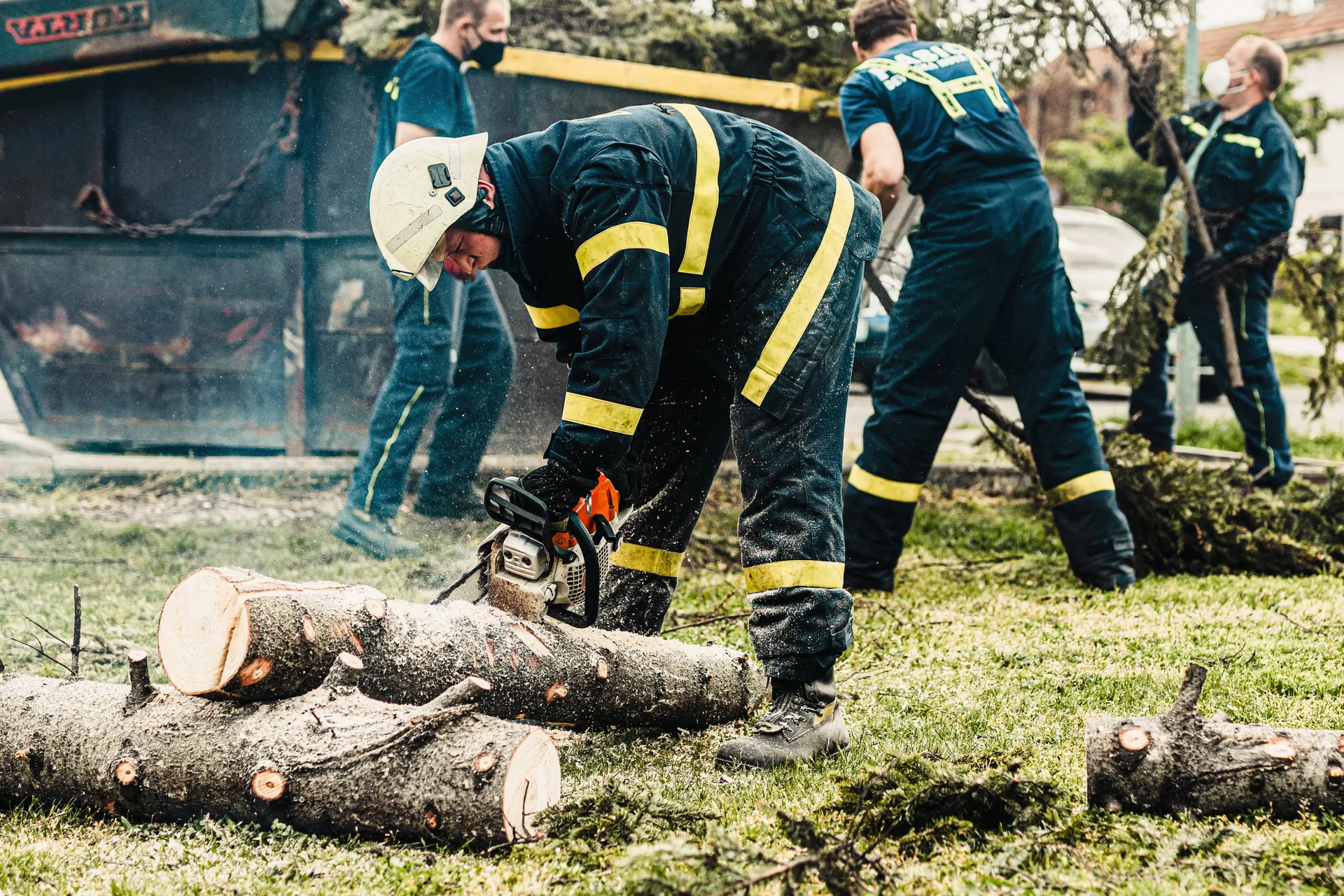
Get Emergency Tree Service Dispatched Now
Storm-damaged trees, hazardous limbs, and debris cleanup — dispatched 24 hours a day. Call (469) 991-2798.
(469) 991-2798