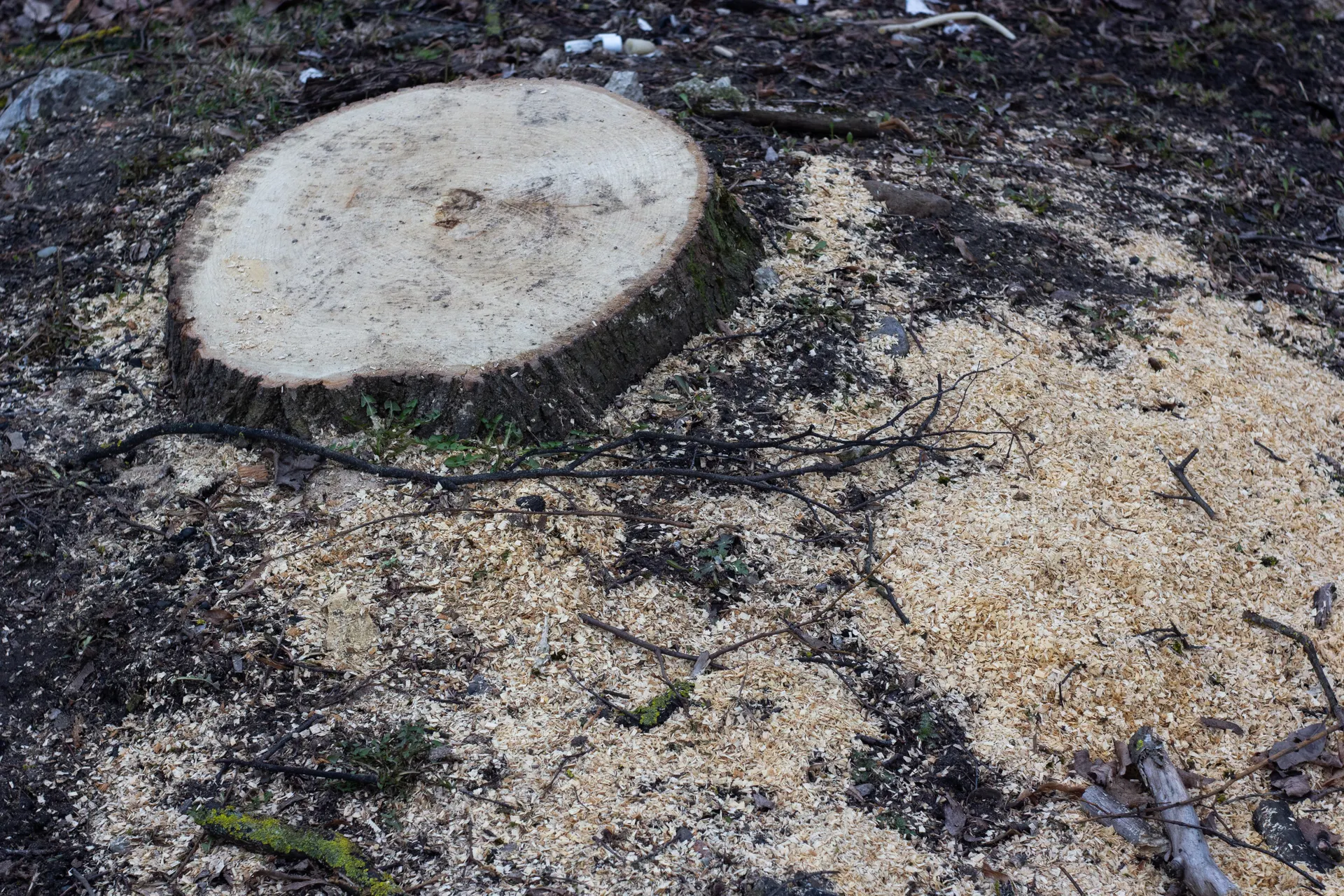
Tree Service · Allen, TX
Tree Planting & Transplanting in Allen, TX
A shovel in the ground is the easy part. Tree Service Allen Woods Co coordinates tree planting and transplanting across Allen, McKinney, Plano, Fairview, and the wider Collin County corridor along US-75 — 15 years of local coordination behind decisions that actually matter: which species fits the lot, how deep the root flare sits, and whether a mature tree can be moved instead of cut down. Calls come in around the same triggers every season — a lot cleared for land clearing that needs its canopy back, a tree lost to removal or storm damage, and new-build streetscapes with nothing but sod and a builder's single starter tree.
Getting a tree into Blackland Prairie clay wrong is a slow-motion mistake that doesn't show up for two or three growing seasons, by which point the tree is already declining. Planting too deep or backfilling a tight clay hole with loose amended soil creates what arborists call a bathtub — water pools against the root ball instead of draining through the surrounding clay, and the roots suffocate or rot from the inside. Right tree, right place starts with reading the site correctly: how the lot drains, how much afternoon sun it gets through a North Texas summer, how close it sits to a foundation, driveway, or overhead line, and what's already growing on neighboring lots that a new tree will eventually compete with or be exposed to.
Species selection carries a second layer most homeowners don't think about until it's explained: diversification. Oak wilt is confirmed in 76 Texas counties and moves through root grafts between neighboring oaks, and emerald ash borer is already inside Dallas city limits and Rockwall County next door — so a yard planted heavy in red oaks or green ash inherits real long-term risk. A planting plan built around a genuine mix of species, siting, and depth holds up better than a single-species streetscape, and it's the same logic an arborist applies to every job here.
This page covers putting a tree in the ground correctly — selection, siting, planting technique, structural training on young trees, and moving an established tree that's in the wrong spot. Ongoing care for what's already planted lives on tree health care and tree trimming; if the goal is clearing a lot before anything new goes in, land clearing covers that step first. Call (469) 991-2798 and an arborist walks the site before a single tree is ordered.
What We Do
Our Tree Planting & Transplanting Services in Allen
Four decisions decide whether a new tree thrives or struggles in Collin County clay: what species, where it goes, how it's actually planted, and whether an older tree should move instead of being replaced. Here's how each one is handled.
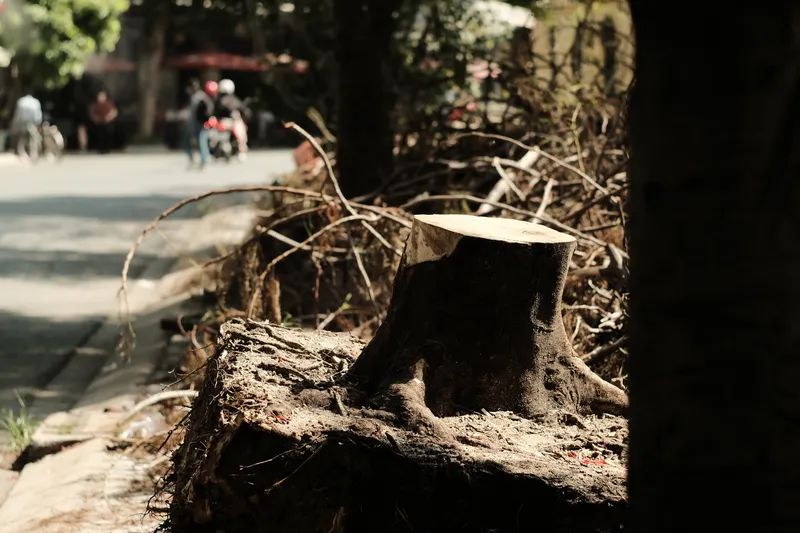
Tree Selection & Siting
Selection starts with the lot, not a nursery catalog: soil drainage, mature canopy spread against the house and power lines, and how much of the yard already leans on one species. Cedar elm, bur oak, pecan, bald cypress, and crape myrtle all tolerate Blackland Prairie clay and North Texas heat, and mixing species instead of repeating red oaks or green ash across a subdivision block spreads out the oak-wilt and emerald-ash-borer exposure instead of concentrating it.
Siting also accounts for mature spread — a species that looks fine as a five-gallon nursery tree can outgrow a narrow side yard or lift a driveway within a decade if it's placed without that math done up front.
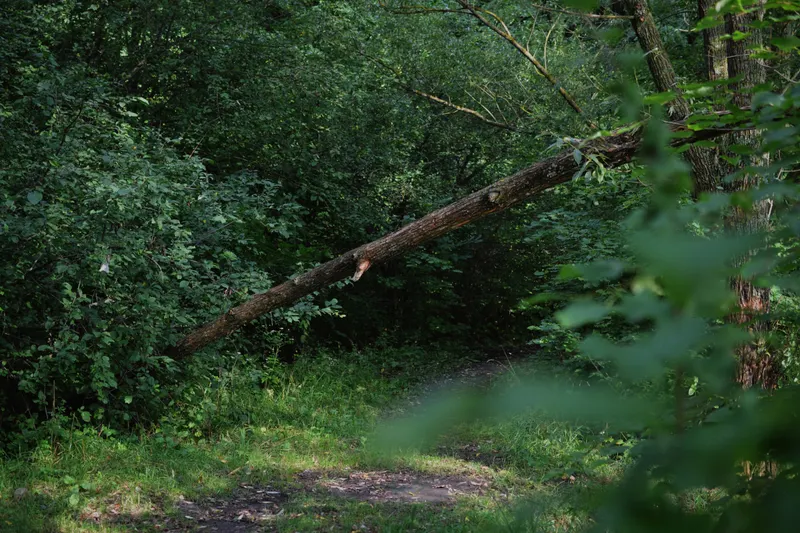
Professional Tree Planting
The hole is dug wide and shallow, not deep and narrow — root-ball diameter, not depth, is what clay soil actually needs. The root flare, where the trunk widens into the roots, has to sit level with or slightly above grade, because a tree planted too deep in tight clay effectively drowns its own root system the first time it rains hard.
Backfill uses the native clay rather than a pocket of imported soil, which prevents the bathtub effect where water collects in a softer hole and can't drain into the surrounding ground; mulch goes around the base in a shallow ring, never piled against the trunk.
Young Tree Structural Training
A tree's mature shape gets decided in its first three to five years, not corrected later. Structural training pruning removes competing leaders, corrects co-dominant stems before included bark forms between them, and raises the lowest branches gradually as the tree gains height, all following ANSI A300 pruning standards the same crews use on mature canopy work.
Skipping this step is how a subdivision ends up with the split, weak-forked trees that fail first in a spring hailstorm — training pruning now is cheaper than cabling or removal fifteen years out.
Tree Transplanting
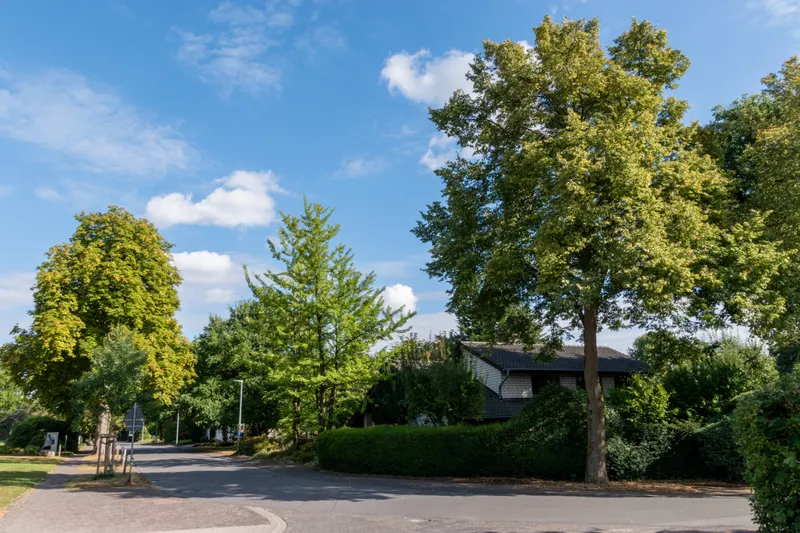
Relocating an established tree instead of removing it is a real option when the species tolerates transplant shock, the root ball can be sized and dug to match the trunk's caliper, and the new location has been prepped and watered ahead of the move. Smaller ornamentals and younger structural trees move more reliably than a mature oak with an extensive, undisturbed root system.
Timing matters as much as technique: a transplant scheduled for the dormant season and watered on a strict post-move schedule has a far better outcome than one rushed to fit a construction deadline.
The Benefits
Why Getting the Planting Right Matters in Allen
A tree planted correctly the first time avoids years of hidden stress — and a poorly planted one rarely shows the problem until it's already in decline.
Avoids a Multi-Year Decline Nobody Traces Back to Planting Day
A tree planted too deep or backfilled into a clay bathtub often looks fine for a season or two before canopy thinning, stunted growth, or early leaf drop shows up — by which point most homeowners never connect it to how the tree went in. Root-flare depth and native backfill at planting are the fix that prevents that slow decline from ever starting.
Species Diversity Cuts Long-Term Disease Risk
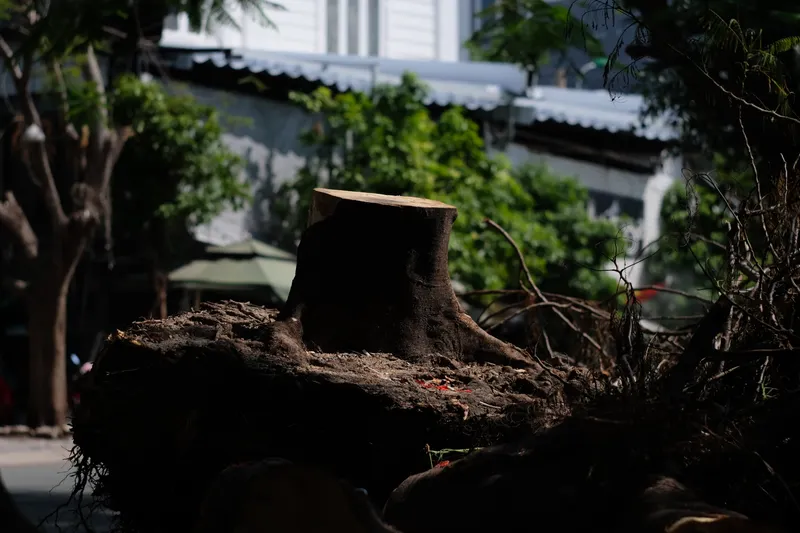
Oak wilt spreads between oaks through connected root systems, and emerald ash borer targets ash specifically, so a lot or streetscape planted in a genuine mix of species is structurally more resilient than one repeating the same tree down the block. That's a planning decision made once, at selection, rather than a problem managed for decades afterward.
Structural Training Protects the Investment for Decades
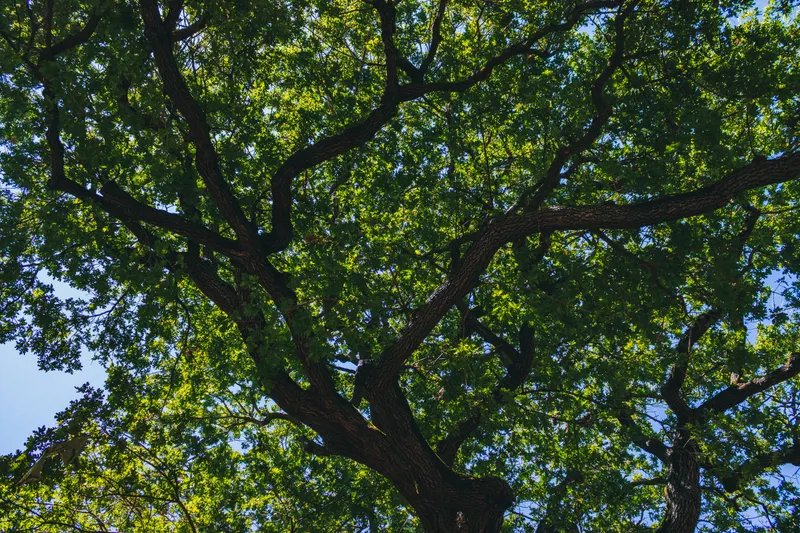
A newly planted tree represents years of growth before it provides real shade or canopy value, and correcting its form while branches are still small is far less invasive than cabling, bracing, or removing a mature tree with the same structural flaw later. Training pruning in the first few years is the cheapest structural work a tree ever gets.
Why Us
Why Allen Chooses Us for Tree Planting
Planting looks simple from the curb; getting the depth, species, and siting right the first time is where the real expertise shows up.
An Arborist Assesses the Site First
Every planting or transplant job starts with an on-site read of drainage, sun exposure, existing canopy, and utility lines before a species is even recommended, so the tree is matched to the lot instead of the lot adjusted to fit a tree.
Local Clay and Climate Knowledge
Planting technique here is built around Blackland Prairie clay and North Texas heat specifically — native backfill, root-flare depth, and a watering schedule suited to a soil that swells and cracks with the seasons, not a generic planting guide.
One Crew Network for the Whole Tree Lifecycle
The same coordinated crews that plant and structurally train young trees also handle their tree health care, pruning, and eventual removal decades later, so a planting plan is made with the tree's full lifespan in mind, not just the day it goes in the ground.
Not sure whether a struggling or storm-damaged tree should be treated, pruned, or replaced? Tree health care covers oak wilt and emerald ash borer diagnosis on trees worth saving, and tree removal covers taking down one that isn't. If a lot needs clearing before new trees go in, land clearing is the step that comes first. For the complete list of what's coordinated across Allen, McKinney, Plano, and Fairview, see our services — the same Allen tree service network behind every planting plan on this page.
Frequently Asked Questions
What's the best time of year to plant trees in Allen, TX?
Fall through late winter, while trees are dormant and North Texas heat has eased, gives roots a full cool season to establish before summer stress hits. Planting into peak summer heat forces a new tree to fight transplant stress and drought at the same time, which is the combination that kills the most newly planted trees in Collin County. A dormant-season planting still needs a consistent watering schedule through its first summer, but it starts from a much stronger position.
How deep should a tree actually be planted?
The root flare — where the trunk widens out into the structural roots — needs to sit level with or slightly above the surrounding grade, never buried. In Blackland Prairie clay, planting too deep is the single most common mistake, because a flooded, oxygen-starved root zone forms below grade and the tree can't recover from it later by adjusting mulch or watering. We check root-flare depth against grade before backfilling, not after, on every planting job.
Why does my new tree need a wide hole instead of a deep one?
Roots in heavy clay spread out laterally far more than they grow down, so a hole two to three times the width of the root ball but no deeper than the root ball itself gives roots room to establish outward into loosened soil. A narrow, deep hole does the opposite of what the tree needs and can create a sump that holds water against the roots after rain. Width over depth is standard arborist practice specifically because of how Collin County's clay behaves.
Which tree species actually do well in Allen's clay soil?
Cedar elm, bur oak, pecan, bald cypress, and crape myrtle all tolerate the swelling, cracking Blackland Prairie clay and North Texas summer heat better than species bred for lighter, sandier soils. We also weigh disease exposure into the recommendation: a yard already carrying several mature red oaks or green ash is a candidate for a different species rather than doubling down on the same risk. The final choice depends on mature size, the lot's drainage, and how close the tree sits to structures or lines.
Why does species diversity matter when I'm just planting one tree?
One tree matters less in isolation than the pattern across a lot or a whole subdivision block — oak wilt moves between oaks through connected root systems, and emerald ash borer, already confirmed inside the Dallas metro and in Rockwall County next to Collin County, targets ash specifically. A block planted entirely in one susceptible species concentrates that risk; mixing species when you plant is a genuinely low-cost way to reduce it for the whole street, not just your yard. We factor existing neighborhood canopy into every planting recommendation for that reason.
Do I need a permit to plant a tree in Allen?
No — the City of Allen's tree preservation ordinance governs removing protected trees at roughly 6-inch caliper and larger, not planting new ones, so putting a tree in the ground doesn't require a permit on a private residential lot. The one place planting connects to permitting is mitigation: if a protected tree was removed under the ordinance, the city can require replacement plantings as part of that approval, and we can help select species that satisfy the requirement. Otherwise, planting is scheduling and site prep, not paperwork.
Can a mature tree actually be transplanted instead of removed?
It depends on species, size, and root condition — younger structural trees and many ornamentals transplant reliably when the root ball is sized to the trunk's caliper and the move happens during dormancy, while a large, mature oak with an extensive undisturbed root system is a much harder, riskier move. An on-site assessment looks at trunk diameter, root spread, and the tree's overall health before recommending transplant over removal or vice versa. When transplanting is viable, the new site gets prepped and watered ahead of the move to reduce shock.
How much watering does a newly planted tree need?
A newly planted tree typically needs deep, slow watering two to three times a week through its first growing season, tapering as roots establish, rather than frequent shallow watering that only wets the top few inches of clay. Watering needs scale with heat, so a tree planted before a North Texas summer needs closer attention than one going in during a cooler, dormant-season planting. We set a specific watering schedule per species and planting date rather than a generic rule of thumb.
What is structural training pruning and does every new tree need it?
Structural training pruning, done on trees roughly one to five years old, removes competing leaders and corrects co-dominant stems before included bark forms between them, following ANSI A300 pruning standards. It's most valuable on species prone to weak forks — crape myrtle, Bradford pear, and fast-growing shade trees — and it's genuinely optional on a single-leader species that's already growing cleanly. Skipping training pruning on a fork-prone young tree is how weak, storm-vulnerable structure gets locked in before anyone notices.
How far should a new tree be planted from my house or driveway?
The right distance depends on the species' mature canopy spread and root pattern — a large shade tree like bur oak or pecan needs meaningfully more clearance from a foundation, driveway, or septic line than an ornamental like crape myrtle that stays compact for its whole life. Planting too close is a common source of driveway heaving and foundation concerns a decade later, and it's also what pushes a full-size shade tree into eventual conflict with overhead power lines. Site assessment factors in mature size specifically so this doesn't become a problem the homeowner inherits later.
Plan Your Tree Planting or Transplant
Species selection, correct planting depth, and structural training done right the first time. Call (469) 991-2798, 24 hours a day.
(469) 991-2798