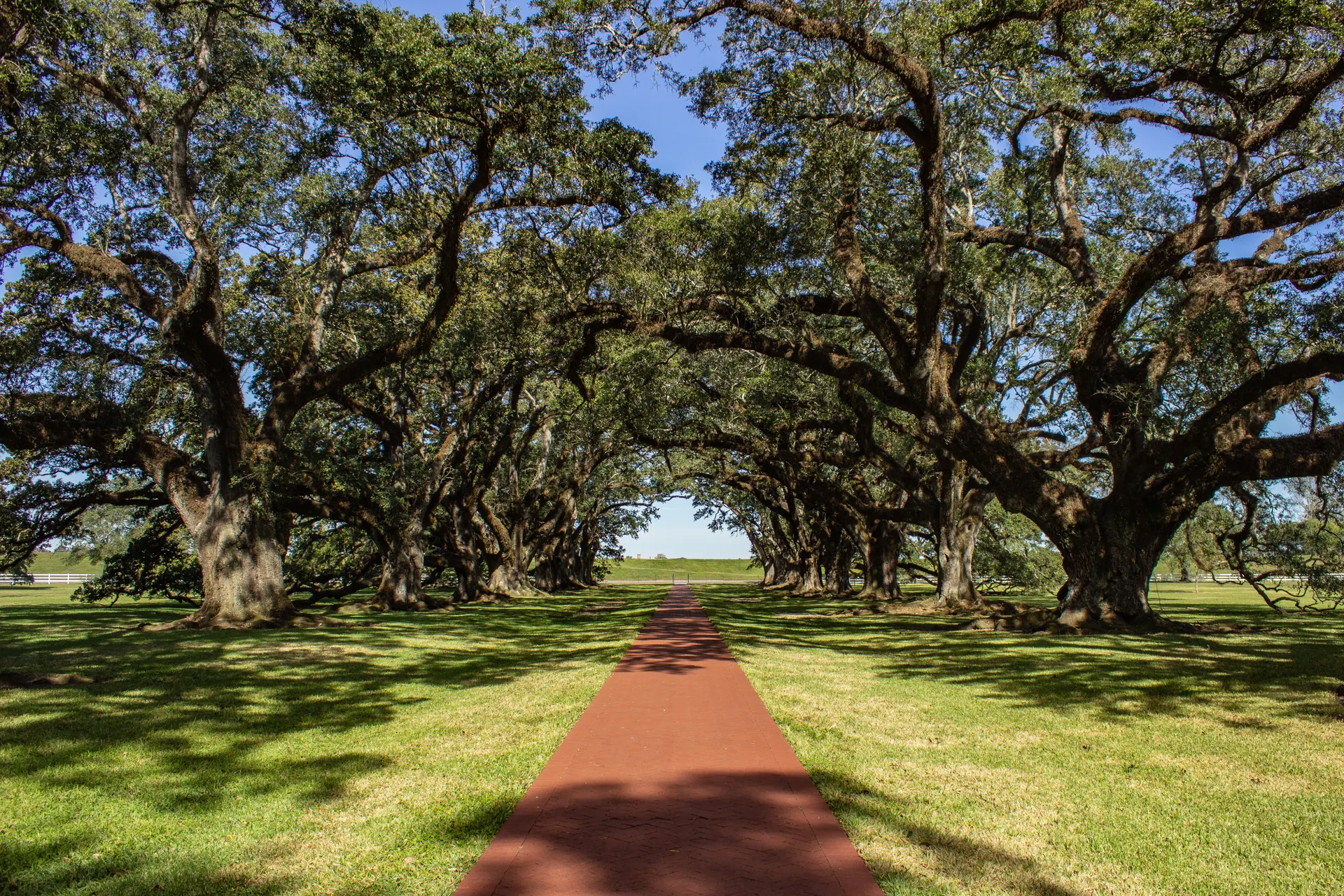
Tree Service · Allen, TX
Arborist Consulting in Allen, TX
Tree Service Allen Woods Co coordinates arborist consulting across Allen, McKinney, Plano, Fairview, and the wider Collin County corridor of North Texas — 15 years of local coordination, calls answered 24 hours a day. This page covers the assessment-and-documentation side of tree care: TRAQ tree risk assessment, tree health and structural evaluations, tree preservation plans for builders and homeowners breaking ground, and written expert reports for HOAs, insurers, buyers, and neighbor disputes.
A consultation isn't a sales call for removal work. When a stressed live oak, a leaning pecan over a shared fence line, or a construction site's protected canopy needs an honest, documented answer, an arborist evaluates the tree and writes down exactly what was found — condition, risk rating, recommendation — so you're acting on evidence instead of a guess. That distinction matters most right now in Collin County, where Blackland Prairie clay stress, advancing oak wilt and emerald ash borer pressure, and whole subdivisions of same-age trees maturing together are producing more genuine judgment calls than routine maintenance.
A typical consulting visit follows the TRAQ (Tree Risk Assessment Qualified) methodology and ANSI A300 evaluation standards: inspect the canopy, trunk, root flare, and site conditions, document findings with photos and measurements, then deliver a written report with a clear recommendation. Most single-tree assessments are scheduled within a few business days; report turnaround depends on scope.
This is a different job from tree health care, which diagnoses and treats a specific disease or pest problem, and from tree removal, which takes a tree down once the decision is already made. Arborist consulting is the step before either — the independent look that tells you which one you actually need, backed by a report you can hand to an insurer, an HOA board, or a buyer's inspector.
What We Do
Our Arborist Consulting Services in Allen
Consulting covers four distinct jobs, each ending in a written finding rather than a verbal opinion — from a single hazard tree to a whole subdivision's protected canopy.
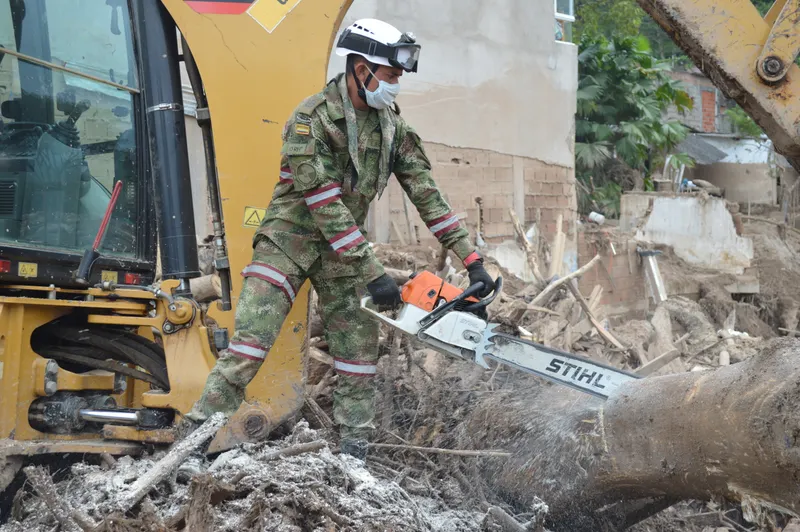
Tree Risk Assessment (TRAQ)
A TRAQ-methodology inspection rates a tree's likelihood of failure and the consequence if it did, weighing trunk decay, root-plate movement, co-dominant stems, and included bark against what's within striking distance — a house, a driveway, a play set. The output is a documented risk rating and a plain recommendation: monitor, prune, cable, or remove.
This is the standard tool for the trees homeowners already suspect are a problem but want confirmed before spending money either way.
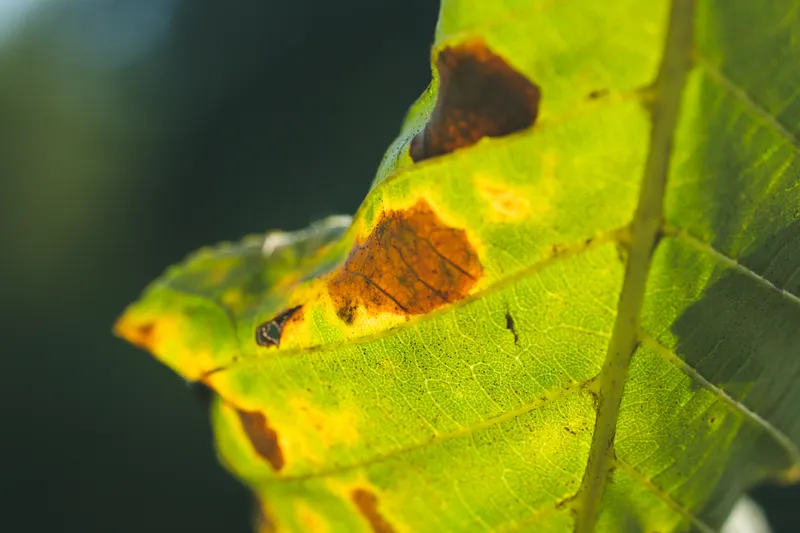
Tree Health Inspections & Reports
A health inspection reads the canopy, bark, and root flare to separate a tree that's simply stressed by Blackland Prairie clay swings from one carrying oak wilt, emerald ash borer, or a secondary problem like hypoxylon canker. The written report states what's actually driving the decline, not just that the tree looks bad.
Where treatment is the right call, the report hands off cleanly to tree health care for the injection or fertilization plan itself.
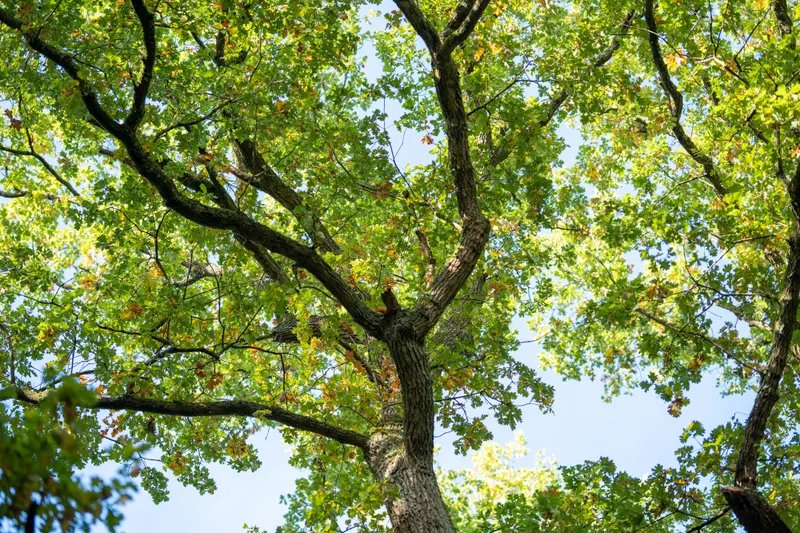
Tree Preservation Plans
Before equipment moves onto a lot, a preservation plan maps every tree worth protecting, sets fenced critical-root-zone boundaries, and flags grade changes or trenching routes that would otherwise kill roots slowly over the following two to three years. Allen, McKinney, and Plano all enforce their own tree-preservation ordinances on developed lots, so the plan is written to match whichever city's permitting process applies.
This is the document a builder or homeowner submits alongside the permit, not an afterthought filed once digging has already started.
Real-Estate & Pre-Construction Tree Surveys
A pre-purchase or pre-construction survey inventories every tree on a lot, notes species, trunk diameter, and condition, and flags anything a lender, buyer, or building department would want disclosed before closing or breaking ground. Allen grew roughly 470% between 1990 and 2020, and much of that growth is now reaching the point where mature canopy, not just square footage, affects a lot's value and buildability.
The same survey format supports HOA disputes over a shared property-line tree and insurer requests after storm damage — one documented inventory, several uses.
The Benefits
Why a Written Report Matters
A verbal opinion is forgotten by the next conversation. A dated, documented report is something an insurer, an HOA board, or a buyer's attorney can actually act on.
Holds Up With Insurers and HOAs
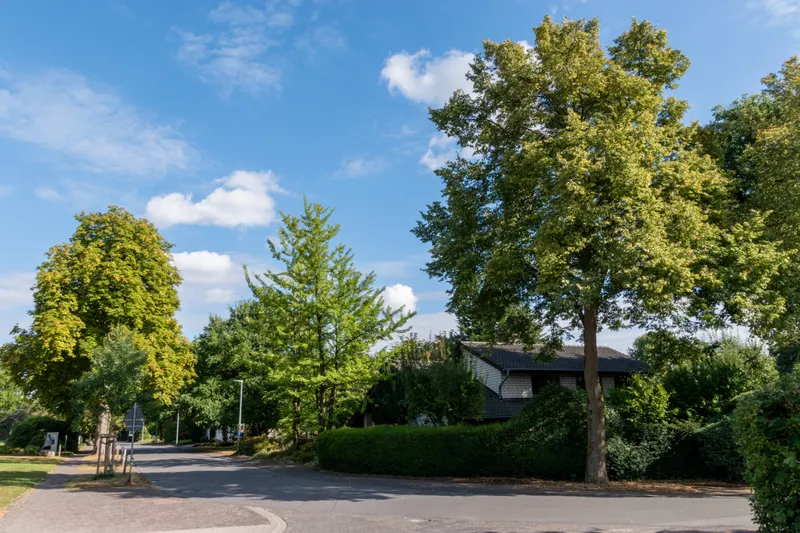
After a storm, an insurer wants to know whether a fallen limb was a foreseeable hazard or an unavoidable act of nature, and a pre-loss or post-loss risk assessment answers that with dated findings instead of memory. HOA disputes over a leaning tree on a property line move faster once both sides are looking at the same documented root-plate and canopy findings rather than dueling opinions.
Avoids an Unnecessary Removal — or a Costly Delay
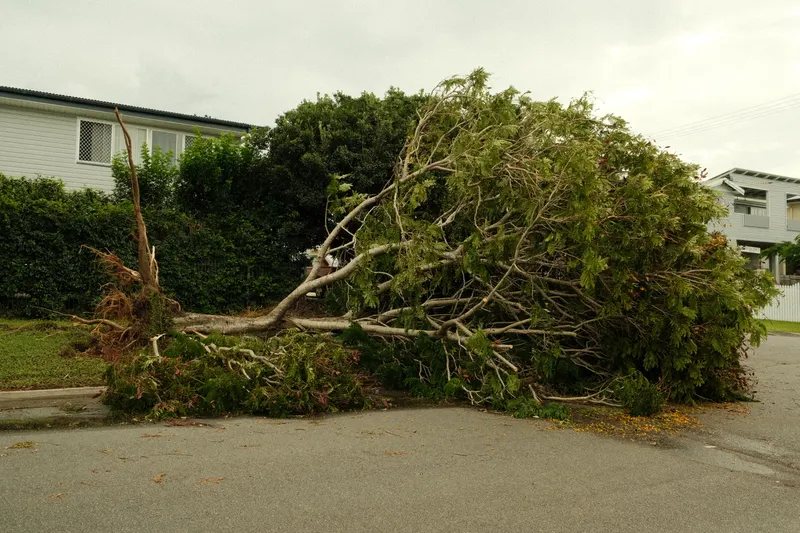
An independent risk assessment sometimes confirms a tree is fine to keep, saving the cost of a removal that wasn't actually needed. On a construction site, the opposite risk applies: skipping a preservation plan can mean a fine or a stop-work order once a city inspector finds an unprotected tree inside a graded zone, which costs far more than the plan would have.
Protects Trees Worth Decades of Growth
A mature live oak or pecan that's shaded a lot for thirty years can't be replaced by a nursery tree at any price, and a consulting report is what catches root or canopy stress early enough to intervene instead of removing the tree once it's too late. That's the same logic behind protecting a construction site's best specimens rather than clearing everything to the property line by default.
Why Us
Why Allen Chooses Us for Arborist Consulting
Consulting only works if the assessment comes before the sales pitch, not after it.
Assessment First, No Removal Push
The consulting visit is scoped and billed as its own service — a written finding, not a lead-in to an upsell. If the honest recommendation is to monitor a tree for another season, that's what the report says, and any follow-on work is a separate decision on your own timeline.
Local Ordinance and Species Knowledge
Reports account for the specific city's tree-preservation ordinance, whether that's Allen's roughly 6-inch caliper protection threshold or McKinney's and Plano's own permitting rules, and for the species most at risk locally — live oak, red oak, cedar elm, and green ash. A generic report that ignores the local ordinance and local species pressure isn't useful to a permitting office or an insurer.
Documented to ANSI and TRAQ Standards
Assessments follow the TRAQ methodology and ANSI A300 evaluation practices, so the findings are structured the way an insurer, city arborist, or attorney expects to see them — condition, risk rating, recommendation, dated and in writing. A report built to a recognized standard carries weight a handwritten note doesn't.
Not every tree question needs a crew on-site the same day — sometimes the answer is a documented finding you act on later. If the assessment points toward treatment, tree health care covers oak wilt and EAB treatment; toward removal, tree removal covers that process. Fairview's large-lot canopy is a good example of where a preservation plan earns its cost first — see tree service in Fairview, TX. For everything coordinated across Allen and Collin County, see our services, the same Allen tree service network behind every report here.
Frequently Asked Questions
What does an arborist consulting report actually include?
A consulting report documents the tree's species, trunk diameter, and condition, then states the specific findings behind the assessment — decay indicators, root-plate movement, co-dominant stems, canopy dieback percentage, or disease signs — followed by a clear recommendation such as monitor, prune, cable and brace, or remove. Risk assessments follow the TRAQ methodology, so the rating format is consistent and defensible rather than a subjective impression. Photos and measurements are included so the report stands on its own if it's later handed to an insurer, an HOA board, or a permitting office. It's built to be read by someone who never saw the tree in person.
How much does an arborist consultation or written report cost in Allen?
Pricing is scoped by the visit rather than by a flat rate, since a single-tree risk assessment and a multi-acre pre-construction survey covering dozens of trees are very different amounts of field and report-writing time. The consultation fee is quoted up front once you describe what's needed and, where possible, share the property address and rough tree count. There's no cost row that applies to every job the way a stump-grinding price per diameter inch does, because the deliverable is documentation and judgment, not equipment time. A phone call gets a scope and a number before any visit is scheduled.
What is a TRAQ tree risk assessment and when do I need one?
TRAQ stands for Tree Risk Assessment Qualified, an ISA-developed methodology that rates a tree's likelihood of failure against the consequence if it failed near a target like a house, driveway, or power line. It's the right tool whenever a tree's condition is in question but nobody's ready to commit to removal — a mature oak with a new lean after a storm, a pecan with visible trunk decay, or a tree an insurer flagged after a claim. The output is a documented risk category and recommendation rather than a verbal guess. Most single-tree assessments in Allen and Collin County are scheduled within a few business days of the call.
Can a written tree report help with a homeowners insurance claim?
Yes. Insurers evaluating storm damage or a liability claim often want to know whether a fallen limb or uprooted tree was a foreseeable hazard the homeowner should have addressed, and a dated risk assessment — either from before the storm or documenting conditions immediately after — gives them something concrete instead of conflicting accounts. A report that notes trunk condition, root-plate status, and any prior visible defects carries far more weight in that conversation than a photo alone. Collin County's spring hail and straight-line wind season makes this a recurring situation, not a rare one. We write the report to the standard an adjuster expects to see.
Do builders need a tree preservation plan before construction in Allen?
Allen's tree preservation ordinance protects trees at roughly 6-inch caliper and larger on a developed lot, and a preservation plan mapping which trees stay, where critical-root-zone fencing goes, and how grading avoids root damage is typically required as part of the permitting package. McKinney and Plano enforce their own versions of this same requirement, so the plan has to match the specific city's current rules rather than a generic template. Skipping this step risks a stop-work order or a fine once an inspector finds an unprotected tree inside a graded zone. We confirm the exact requirement for the property before drawing up the plan.
What happens to trees during construction if a preservation plan isn't followed?
Without fenced critical-root-zone boundaries, heavy equipment compacts the soil over a tree's root system, and grade changes or trenching for utilities can sever major roots that supported the canopy for decades — damage that often doesn't show up as canopy decline for two to three years, well after the crew has left the site. By the time the tree is visibly failing, it's usually too late to reverse, and the property owner is left with a removal that could have been avoided. A preservation plan drawn up before equipment arrives, with boundaries the crew actually respects, is the only reliable way to prevent this. It's far cheaper than either the removal or the mitigation fee a city can require afterward.
Can an arborist report help settle a dispute with a neighbor or HOA?
Yes — a documented, dated assessment gives both sides a shared set of facts instead of competing opinions about whether a shared property-line tree is hazardous or healthy. HOA architectural committees in Allen and Fairview subdivisions regularly deal with disputes over a leaning oak or an overgrown canopy crossing a boundary, and an independent report identifying the tree's actual condition and risk rating moves that conversation toward a resolution faster than another round of emails. The report doesn't take a side; it states what's true about the tree, which is usually what actually settles the argument. Either party, or the HOA itself, can request the assessment.
Should I get an independent consultation before hiring someone to remove a tree?
It's a reasonable step whenever a removal recommendation feels aggressive relative to what you're seeing, or when the tree is large, old, or otherwise valuable enough that a second opinion is worth the consulting fee. A TRAQ-methodology assessment gives you a documented, independent finding on whether the tree is actually a hazard or could be saved with pruning, cabling, or treatment instead. This matters most with mature live oaks and pecans, since a tree that size can't be replaced by a nursery specimen for decades. The consultation is billed and scoped separately from any removal work, so there's no incentive built in either direction.
Do I need a tree survey before buying or selling a home in Allen?
It's not a legal requirement, but a pre-purchase tree survey is worth having whenever a property has large or mature trees close to the house, since it inventories species, trunk diameter, and condition and flags anything a lender or buyer would want disclosed before closing. Allen's rapid growth since 1990 means a lot of the area's mature canopy is now reaching an age where structural issues are more likely, and a buyer's inspector may ask about it directly. The same survey format works for a seller who wants documentation ready before it's requested. It typically takes a single visit to complete for a standard residential lot.
How long does a consulting visit and report take?
A single-tree risk assessment or health inspection is usually a same-visit field evaluation, with the written report following within a few business days depending on how much documentation the situation calls for. A multi-tree pre-construction survey or a preservation plan covering a whole lot takes longer in the field and in the write-up, since every protected tree gets individually measured and mapped. Emergency situations — a tree an insurer or the city needs assessed quickly after storm damage — are prioritized ahead of routine scheduling. The exact timeline is confirmed on the initial call once the scope is clear.
Schedule an Arborist Consultation
Risk assessment, health evaluation, preservation plans, and written reports. Call (469) 991-2798, 24 hours a day.
(469) 991-2798