Tree Service · Allen, TX
Tree Health Care & Arborist Services in Allen, TX
Tree Service Allen Woods Co coordinates tree health care and arborist services — plant health care that keeps mature trees alive rather than waiting until they need to come down — across Allen, McKinney, Plano, Fairview, and the wider Collin County stretch of North Texas. 15 years of local coordination, calls answered 24 hours a day. This page covers the arborist side of tree care: oak wilt diagnosis and treatment, emerald ash borer treatment, deep root fertilization, disease and pest control, vertical mulching and air spading, and tree risk assessment — the diagnostic and preventive work that decides whether a stressed tree recovers or becomes a removal a few years down the road.
Two disease-and-pest threats define arborist work in Collin County right now. Oak wilt, a fungal disease that disables a tree's water-conducting system, is confirmed in 76 Texas counties and spreads both above ground through sap-feeding beetles carried to fresh wounds and below ground through interconnected root grafts between neighboring oaks — which is why Texas A&M Forest Service urges against pruning or wounding oaks from February through June, when the fungus and its beetle vector are most active. Emerald ash borer, an invasive beetle whose larvae girdle ash trees from the inside, has spread to roughly three dozen Texas counties and is confirmed inside the Dallas metro and in Rockwall County, directly adjacent to Collin County — a real threat to the green ash planted through Allen, McKinney, and Plano's 1990s–2000s subdivision boom.
Beyond disease and pests, most Collin County trees are simply stressed by the ground they're standing in. The Blackland Prairie's expansive clay swells after rain and shrinks hard through a dry North Texas summer, tearing at root systems and pushing native live oaks, red oaks, and cedar elms toward decline — conditions that open the door to opportunistic secondary killers like hypoxylon canker. Deep root fertilization, vertical mulching, and air spading address that stress directly, loosening compacted soil and getting nutrients to the root zone instead of just treating symptoms in the canopy above ground.
Structural pruning to correct storm damage or overgrowth is covered on the tree trimming page, and removing a tree that's already dead or too far gone to save is covered on tree removal. This page is specifically about diagnosis and treatment for trees worth keeping — an arborist assessment that identifies what's actually wrong and whether a treatment plan can turn a tree around before removal becomes the only option left.
What We Do
Our Tree Health Care Services in Allen
Plant health care isn't one treatment — a tree fighting oak wilt needs a different intervention than one showing ash borer damage or simple soil stress. Here's how the coordinated arborists scope each one.
Oak Wilt Diagnosis & Treatment
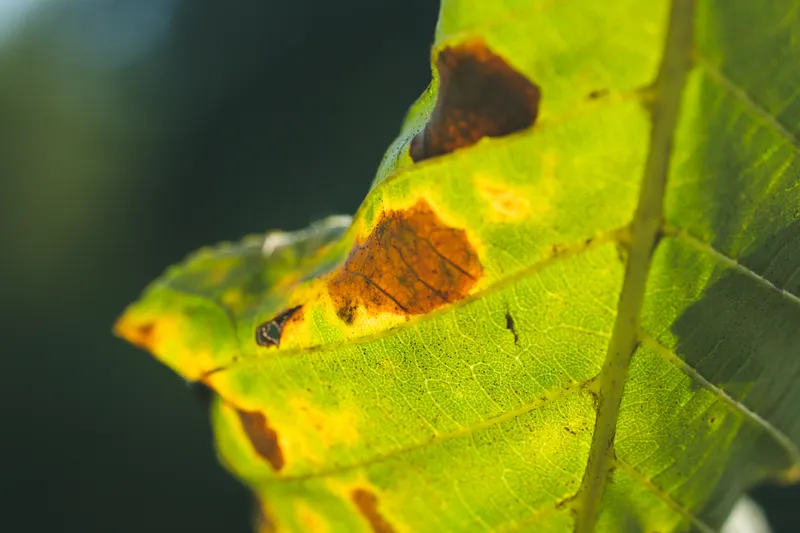
Oak wilt is confirmed in 76 Texas counties and kills live oaks and red oaks at epidemic proportions in parts of the state, spreading both above ground through sap-feeding beetles and below ground through root grafts connecting neighboring oaks. Diagnosis starts with checking for the fungal mat under bark and leaf symptoms specific to red oaks versus live oaks. Treatment can include propiconazole fungicide injection and, where root-graft spread is the concern, trenching between trees to break the connection — and Texas A&M Forest Service urges against pruning oaks from February through June, when the fungus and its beetle vector are most active.
Emerald Ash Borer Treatment
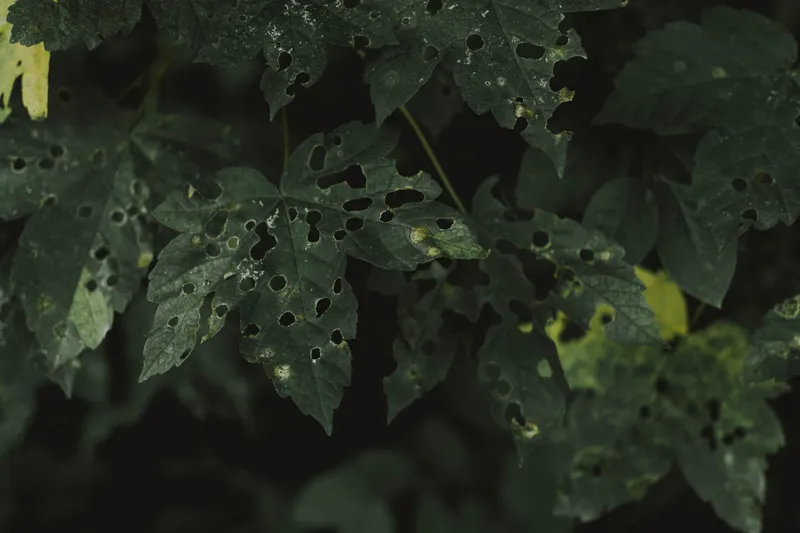
Emerald ash borer has spread to roughly three dozen Texas counties and is confirmed inside the Dallas metro and in Rockwall County, directly adjacent to Collin County — meaning Allen, McKinney, and Plano's mature green ash, much of it planted during the 1990s–2000s subdivision boom, is squarely in the path. Left untreated, EAB larvae girdle a tree from the inside and kill it within a few years of visible symptoms. Trunk injection with emamectin benzoate is the standard treatment, applied on a repeated multi-year cycle to protect a healthy ash before infestation takes hold.
Deep Root Fertilization & Disease/Pest Control
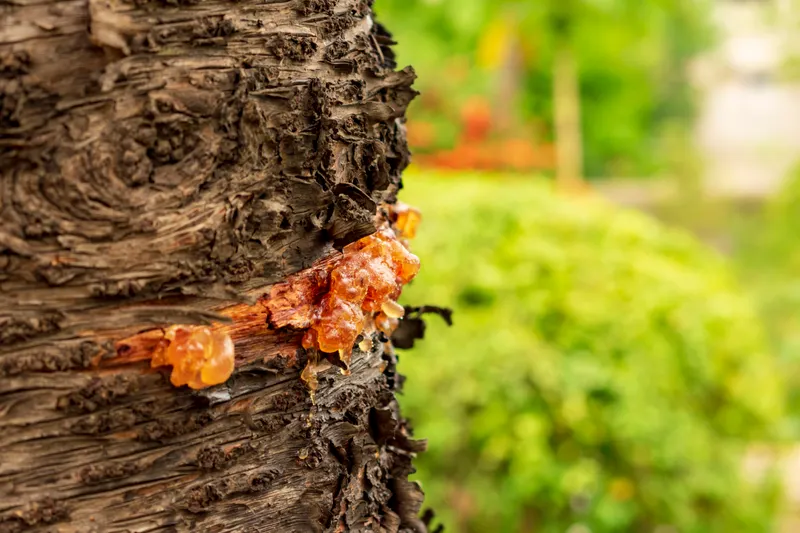
Trees stressed by Collin County's expansive clay and summer drought are more vulnerable to secondary problems like hypoxylon canker, a fungus that opportunistically colonizes hardwoods already weakened by heat and moisture swings. Deep root liquid fertilization delivers nutrients directly to the root zone rather than the surface, addressing that underlying stress instead of just the symptoms showing in the canopy. General disease and fungal treatment and insect and pest control round out the plant-health-care side, identifying what's actually attacking a tree and treating it specifically rather than applying a one-size-fits-all spray.
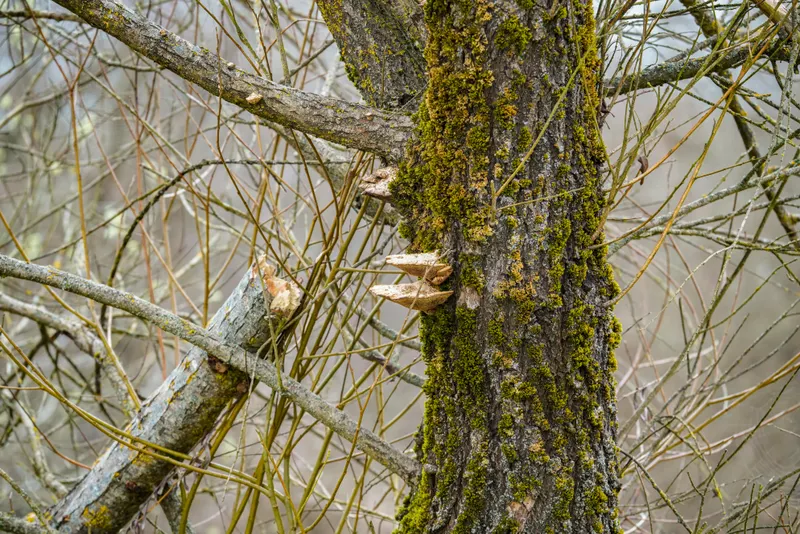
Vertical Mulching, Air Spading & Tree Risk Assessment
Vertical mulching and air spading use compressed air to loosen compacted soil around the root zone without damaging roots, then backfill with expanded shale or compost to improve drainage and aeration — a direct fix for trees struggling in North Texas's dense clay, often paired with deep root fertilization. Tree risk assessment, performed to the TRAQ standard, evaluates co-dominant stems, included bark, root-flare problems, and structural defects to determine whether a tree is a genuine hazard, needs corrective pruning, or is sound and just needs monitoring.
The Benefits
Why Plant Health Care Pays Off in Allen
A tree treated early costs far less than a tree removed late — in dollars, in shade, and in the years it takes a replacement to reach the same size. Here's what proactive tree health care actually protects.
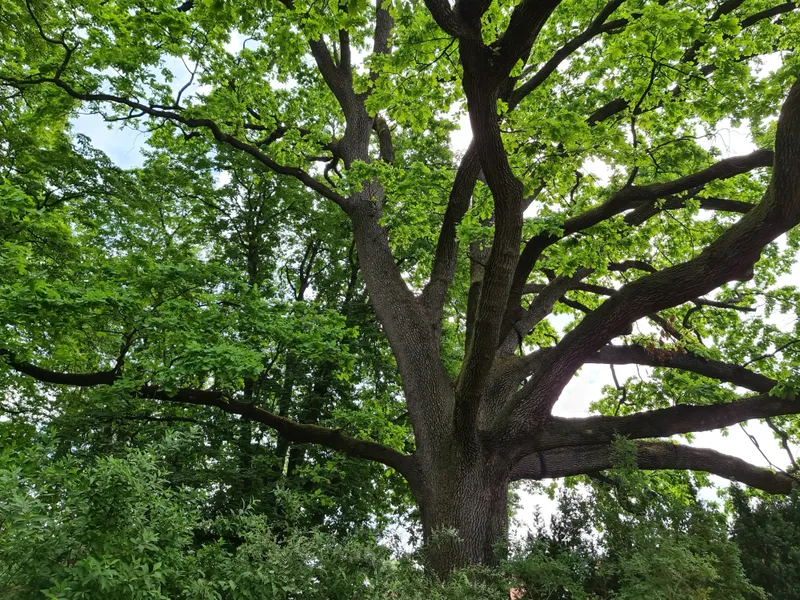
Saves Mature Trees Worth Decades of Growth
A live oak or red oak that's shaded a property for thirty years can't be replaced by a nursery tree of the same size at any price, and mature, healthy trees measurably add resale value while cutting cooling costs through summer shade. Catching oak wilt or EAB early, before root systems or trunk tissue are extensively compromised, is what keeps that kind of tree standing instead of becoming a removal job.
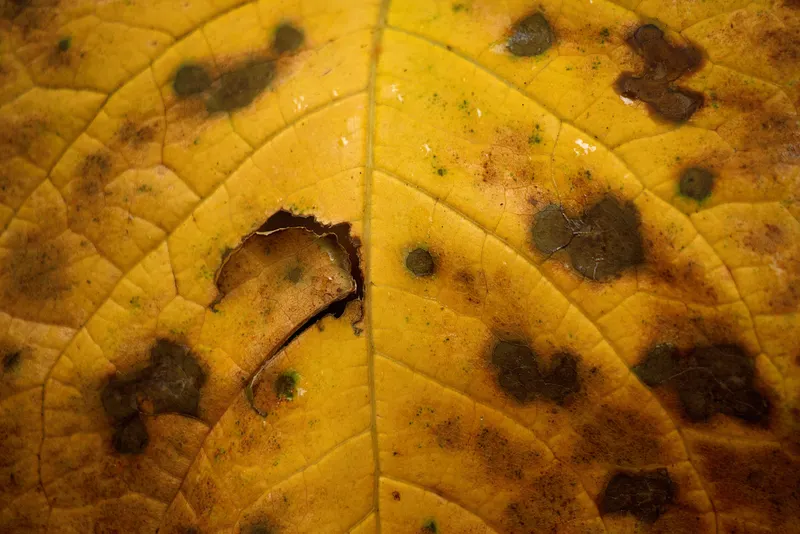
Addresses the Cause, Not Just the Symptom
A tree showing thinning canopy or leaf discoloration is usually reacting to something underground or biological, not just having a bad season, and treating the visible symptom without diagnosing the cause rarely holds. An arborist's assessment identifies whether the real driver is compacted clay soil, a fungal pathogen, an insect, or drought stress, so the treatment actually matches the problem.
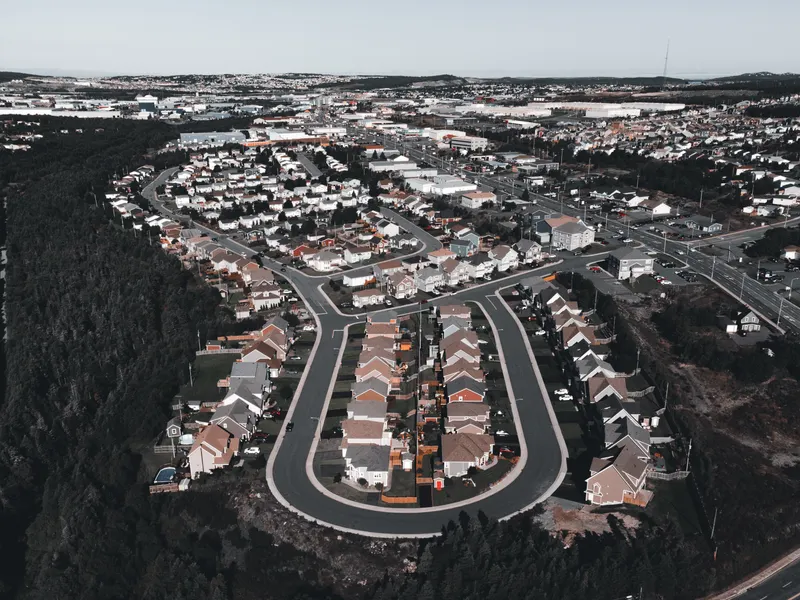
Protects the Whole Neighborhood's Canopy, Not Just One Tree
Oak wilt spreads through root grafts between neighboring oaks, meaning an untreated infected tree on one property can move into a neighbor's canopy over time. Treating and, where needed, trenching to break those root-graft connections early protects more than a single tree — it's a real factor in how fast oak wilt moves through an established neighborhood's mature oak canopy.
Why Us
Why Allen Chooses Us for Arborist Services
Plant health care is diagnostic work first and treatment second, and that only works with real arboriculture credentials behind it, not a general lawn-and-tree crew guessing at what's wrong.
An Arborist Does the Diagnosis
The arborists coordinated for plant health care work hold arborist and, for complex diagnostic cases, senior arborist credentials — the industry's highest arboriculture certification, requiring ongoing continuing education to maintain. That's the credential behind every oak wilt and EAB treatment plan.
TRAQ-Qualified Risk Assessment
Tree risk assessment is performed to the TRAQ (Tree Risk Assessment Qualified) standard, a specific ISA credential focused on evaluating structural defects, root problems, and hazard potential rather than a general visual once-over. That matters most on mature, high-value trees where the treatment-or-removal decision has real consequences.
Injection Work Done to the Product Label
Fungicide and insecticide trunk injections for oak wilt and EAB are restricted-use applications in Texas, and the product label sets the dosage, spacing and seasonal timing. Treatment follows label rates and timing rather than an off-label shortcut, because an incorrectly applied treatment can fail without an obvious sign until the tree is already past saving.
Not sure whether a struggling tree needs treatment, structural pruning, or removal? The tree trimming page covers structural pruning and canopy work, and tree removal covers taking down a tree that's too far gone to save. For the full list of what gets coordinated across Allen, McKinney, Plano, and Fairview, see our services — it's the same Allen arborist network behind every plant-health-care assessment on this page.
Frequently Asked Questions
What are the early signs of oak wilt in Texas live oaks and red oaks?
Live oaks typically show leaf veins turning yellow or bronze while the tissue between veins stays green, followed by rapid leaf drop and canopy dieback that can kill the tree within months. Red oaks decline even faster, often losing most of their leaves within weeks of symptoms starting, sometimes with a visible fungal mat forming under the bark. Because oak wilt is confirmed in 76 Texas counties and spreads through both beetles and root grafts, rapid unexplained leaf loss is worth an arborist assessment quickly.
Why shouldn't I prune my oak trees between February and June?
Texas A&M Forest Service specifically urges against pruning or wounding oaks from February through June because that's when the oak wilt fungus and its sap-feeding beetle vector are most active, and any fresh cut or wound is an open invitation for infection. A pruning cut made in the wrong month can introduce the disease to a tree that was otherwise healthy. Emergency pruning to remove a genuinely hazardous limb during that window is still done when safety requires it, but routine pruning gets scheduled outside the high-risk season.
Can a tree infected with oak wilt actually be saved?
It depends on how far the infection has progressed by the time it's diagnosed. A tree caught early, with limited canopy loss, has a real chance with propiconazole fungicide injection, while a tree that's already lost most of its canopy usually can't be saved and becomes a removal case instead. Because oak wilt also spreads below ground through root grafts, trenching to break those connections is often part of the treatment plan even when the original tree can't be saved.
Is emerald ash borer really a threat to my ash tree in Allen?
Yes — emerald ash borer has spread to roughly three dozen Texas counties and is confirmed inside the Dallas metro and in Rockwall County, directly adjacent to Collin County, putting Allen, McKinney, and Plano's mature ash trees squarely in its path. Much of the region's ash was planted during the 1990s–2000s subdivision boom, so a large inventory of mature, untreated trees is at risk at once. Trunk-injection treatment on a healthy ash has a far better survival outlook than waiting for visible dieback.
How much does oak wilt or emerald ash borer treatment cost per tree?
Trunk-injection treatment for oak wilt or emerald ash borer typically runs $150 to $500 or more per tree, depending on trunk diameter, since larger trees need a proportionally larger dose. Treatment isn't a one-time fix — it's applied on a repeated cycle, usually every one to two years, to maintain protection as the tree keeps growing. An on-site assessment determines diameter, current health, and infection status before quoting an exact price.
What is deep root fertilization and does my tree actually need it?
Deep root fertilization delivers liquid nutrients directly into the root zone through injection, rather than spreading fertilizer on the surface where much of it runs off or never reaches the roots that need it. It's especially useful in Collin County, where expansive Blackland Prairie clay and summer drought stress push native oaks, elms, and pecans toward decline even without a disease or pest involved. A tree with thinning canopy or generally poor color is a good candidate for an assessment.
What's the difference between vertical mulching and air spading?
Both address compacted soil around a tree's root zone, but air spading uses compressed air specifically to loosen soil without cutting or damaging roots the way a shovel or auger would, making it safe to use close to a trunk. Vertical mulching follows by backfilling the loosened holes with expanded shale or compost to improve long-term drainage and aeration in heavy clay. The two are frequently done together on the same visit, often alongside deep root fertilization.
What does a tree risk assessment actually check for?
A TRAQ-qualified tree risk assessment evaluates structural defects like co-dominant stems and included bark, root-flare and root-plate problems, decay indicators, and the tree's proximity to targets like a house, driveway, or power line, to determine an overall hazard rating. It's a more rigorous, credentialed process than a quick visual look from the ground. The result is a clear recommendation — monitor, treat, prune, or remove — based on documented findings, not a guess.
Who actually diagnoses the tree before anything is injected?
An arborist does, on site, before any product is ordered — and complex diagnostic cases go to the most experienced diagnostician on the roster rather than being guessed at. The read follows the same sequence every time — canopy, bark and cambium, root flare, then soil — so a treatable stress problem doesn't get mistaken for a pathogen. Fungicide and insecticide trunk injections are restricted-use applications in Texas, so dosage by trunk diameter, injection spacing and seasonal timing all follow the product label rather than preference.
Do you serve McKinney, Plano, and Fairview for tree health care, or just Allen?
Plant health care and arborist services are coordinated across Allen, McKinney, Plano, Fairview, and the surrounding Collin County towns, not just inside Allen city limits. Oak wilt and emerald ash borer don't respect city boundaries, and the same Blackland Prairie clay stress affects trees across the whole corridor along US-75. See the [McKinney tree service](/mckinney-tx) page for how tree health issues show up in that market specifically.
Schedule a Tree Health Care Assessment
Oak wilt, emerald ash borer, and plant health care from arborists. Call (469) 991-2798, open 24 hours.
(469) 991-2798