Tree Service · Allen, TX
Tree Service in Fairview, TX
Fairview sits immediately south and southeast of Allen, bordering McKinney to the north and Lucas to the southeast, and it's the closest large-lot town on our route. At Tree Service Allen Woods Co, the arborists and crews we coordinate work Fairview constantly, and the town's defining feature shapes almost every job: Fairview's 'Keeping It Country' zoning holds to large acreage lots instead of tight subdivisions, meaning fewer trees per property but far bigger, more valuable, more structurally complex specimens than almost anywhere else in Collin County. Fairview incorporated in 1958 and has grown steadily while protecting that character, adding residents from 7,248 in 2010 to 10,372 by the 2020 census — a 43.1% increase in a decade — across just 8.89 square miles.
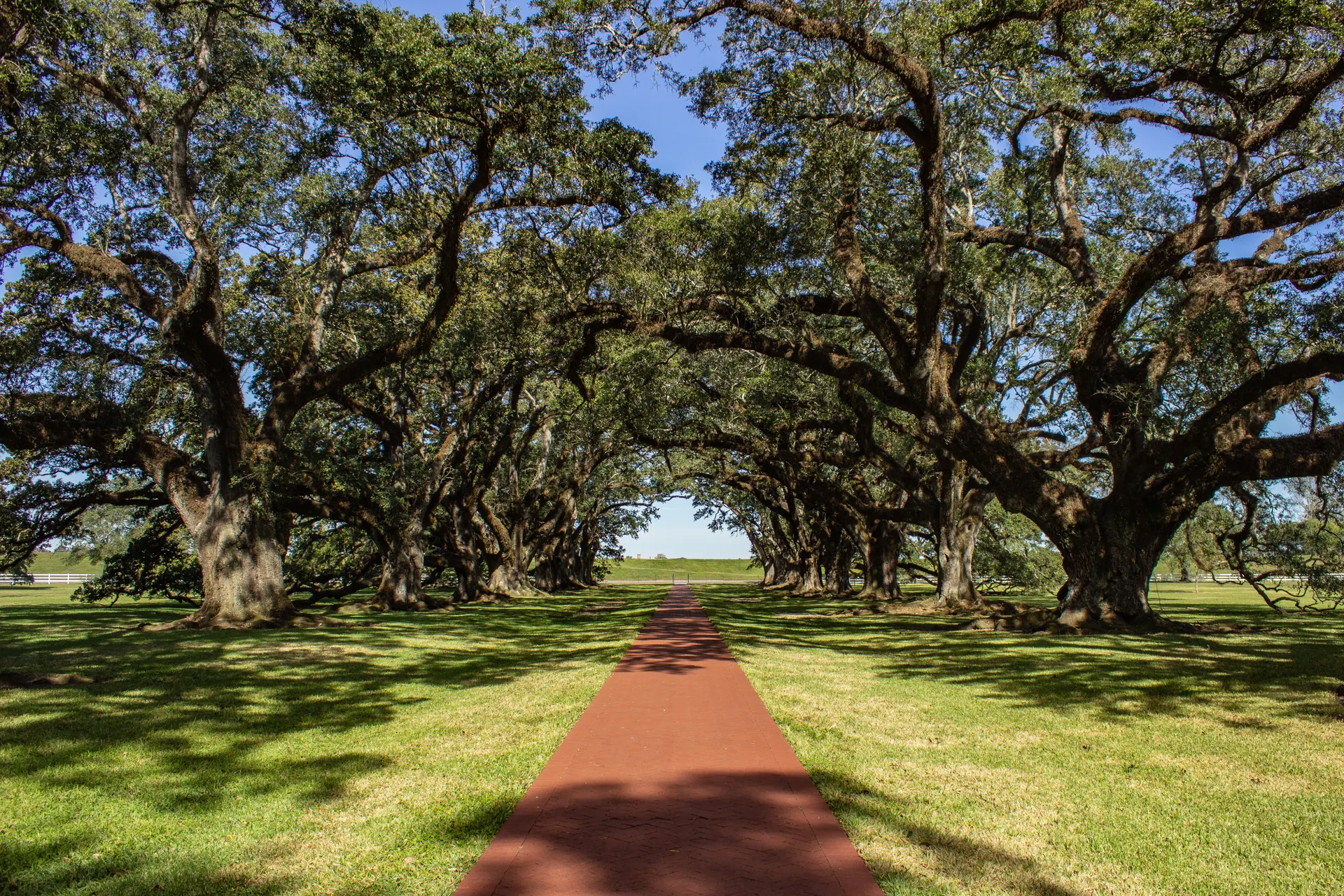
That large-lot character means Fairview's canopy is dominated by mature native live oaks, red oaks, post oaks, cedar elms and pecans, many planted decades ago on one-acre-plus lots in Heritage Ranch and the surrounding acreage tracts, with room to grow to genuinely large size. Wilson Creek, a Trinity River tributary, forms part of the town's northeastern boundary and carries native creek-bottom hardwoods through shaded, access-limited bottomland — a landscape mirroring the same Blackland-to-Cross-Timbers transition preserved at the nearby Heard sanctuary. Bigger trees on bigger lots is exactly the profile that produces large-tree removals, crane-assisted work, and cabling-and-bracing of heritage oaks rather than routine subdivision trimming.
Because so much of Fairview's canopy is the live oak and red oak species most vulnerable to oak wilt, disease management is a bigger share of the work here than in denser suburbs. Whether the job is a heritage oak on a Heritage Ranch lot, a creek-bottom hardwood along Wilson Creek, or cabling to save a structurally compromised tree, call (469) 991-2798 — Open 24 Hours, with a crew that knows Fairview's large lots and access roads.
Local Service
Large-Specimen Tree Care for Fairview's Acreage Lots
Fairview's 'Keeping It Country' zoning trades subdivision density for one-acre-plus lots, so the town's tree work skews toward fewer, larger, more structurally significant trees than almost anywhere else on our route.

Crane-Assisted Removal for Fairview's Largest Specimen Trees
Large acreage lots in Heritage Ranch and surrounding tracts often hold decades-old live oaks, red oaks and pecans grown large with nothing crowding their canopy — meaning a hazardous or dead specimen at this scale is a serious removal, not a routine one. A hazard-constrained removal typically runs $5,000 to $15,000 or more with crane support.
The arborists we coordinate plan rigging and felling around a property's outbuildings and landscaping, since a tree this size has real fall-zone implications.
Cabling & Bracing to Save Fairview's Heritage Oaks
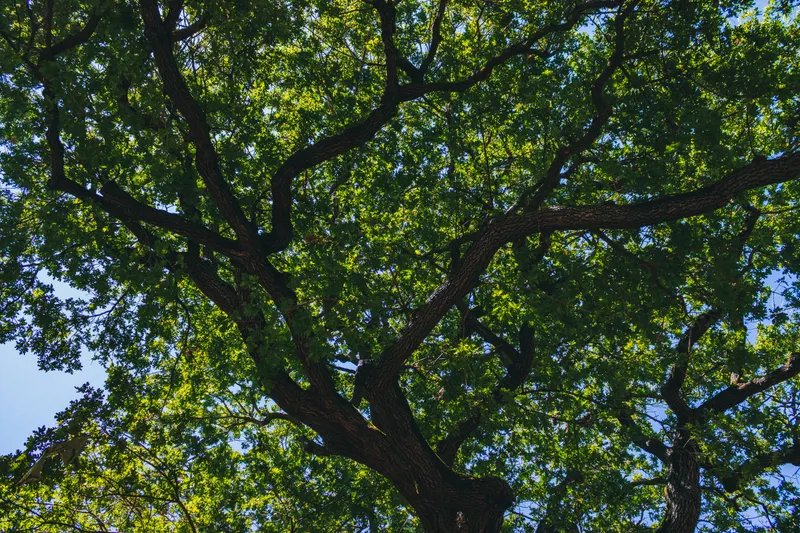
A large, structurally compromised oak — one with a splitting co-dominant stem or a heavy over-extending limb — is often a better candidate for cabling and bracing than removal, especially a heritage specimen decades in the making. High-strength cable and bracing rods, installed to ANSI A300 standard, redistribute load away from the weak point without altering the tree's form.
This preservation work is far more common in Fairview than in denser subdivisions, simply because there are more valuable specimen trees worth saving per property.
Oak Wilt Management for Fairview's Live Oak and Red Oak Canopy
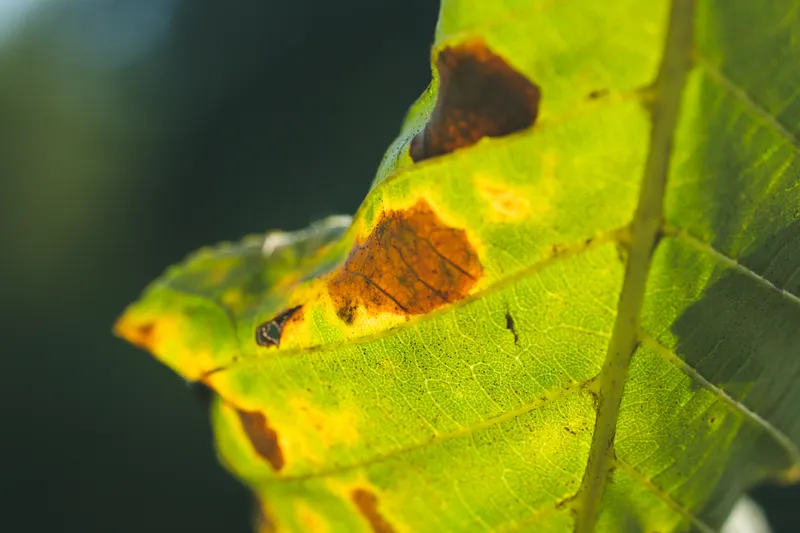
Oak wilt is confirmed in 76 Texas counties and kills live oaks and red oaks at epidemic rates once established, and Fairview's canopy — dominated by those species on large, mature lots — carries real exposure, with root grafts between closely spaced oaks able to pass the fungus tree to tree underground. We avoid pruning oaks from February through June, when the fungus and beetle vector are most active.
Early intervention can include trenching to sever root grafts, protecting the rest of a lot's canopy from a single infected tree.
Local Service
Tree Work Along Wilson Creek and Fairview's Large-Lot Access
Wilson Creek's wooded floodplain and Fairview's large, sometimes gated acreage properties create access challenges most crews in denser suburbs never encounter.
Bottomland Hardwood Care Along Wilson Creek
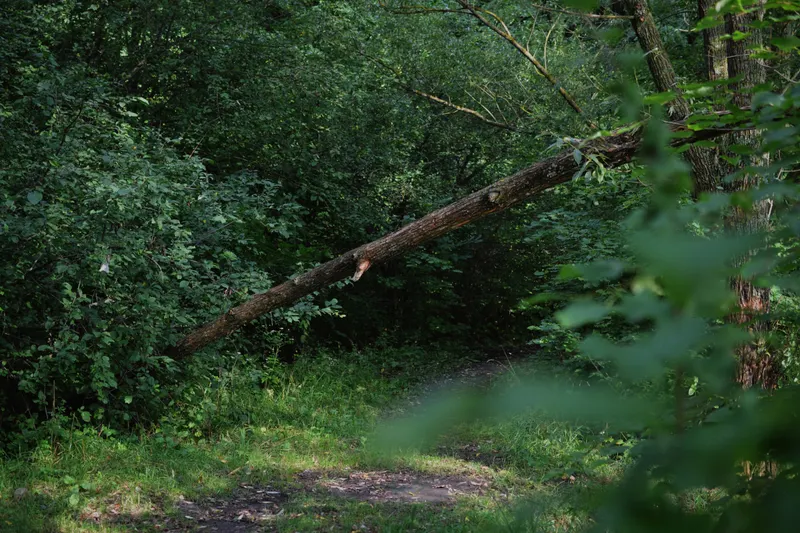
Wilson Creek, a Trinity River tributary, forms part of Fairview's northeastern boundary and carries native creek-bottom hardwoods through shaded, often saturated bottomland mirroring the Blackland-to-Cross-Timbers transition preserved at the Heard sanctuary. Trees along this corridor frequently show root systems affected by seasonal soil saturation, which can compromise stability even in a healthy-looking specimen.
Access along the floodplain edge is more limited than a standard lot, so the crews we coordinate plan equipment routes before a creek-adjacent removal or trim.
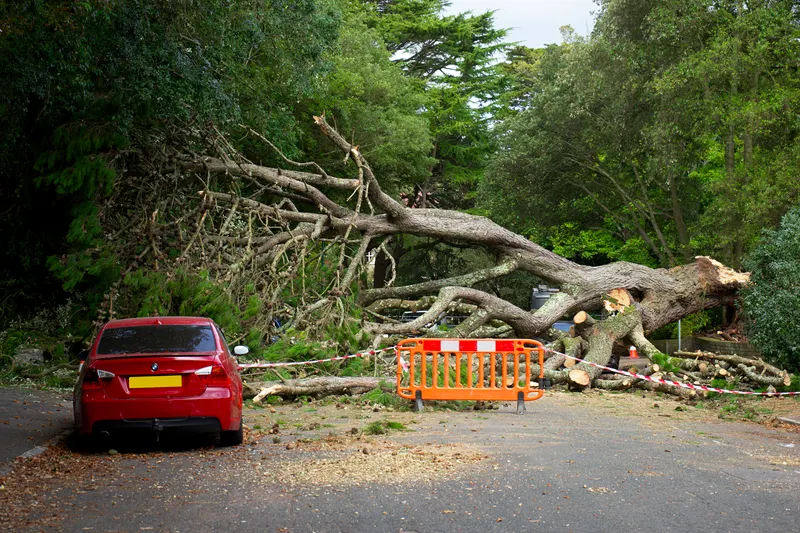
Storm Cleanup on Fairview's Large, Exposed Lots
Fairview's large acreage lots put more mature canopy directly over homes, barns, fencing and driveways than a tighter subdivision lot would, so North Texas's violent spring storm season — hail, straight-line winds, occasional ice — does more damage per property here. A storm-damaged limb or leaning oak can threaten outbuildings and livestock fencing in addition to the home.
Emergency storm response is a same-day make-safe call, with full haul-off following once secured.
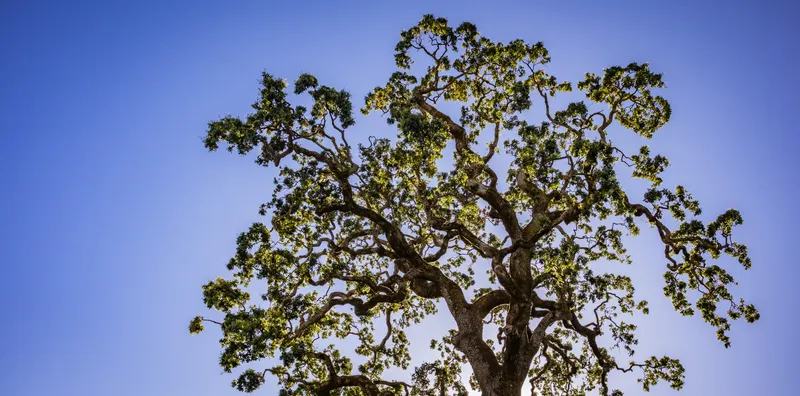
Permit Coordination Under Fairview's Large-Lot Tree Ordinance
The Town of Fairview enforces its own tree preservation rules alongside its 'Keeping It Country' zoning, and protected-tree removal routes through town permitting — the current threshold needs confirming per address, since it differs from McKinney's or Allen's. Given how many high-value specimen trees sit on a typical Fairview lot, this review matters more here.
The crews we coordinate handle the permit application and inspection scheduling, so a Fairview owner isn't tracking down which office to call.
Local Service
Fast, Local Response Across Fairview
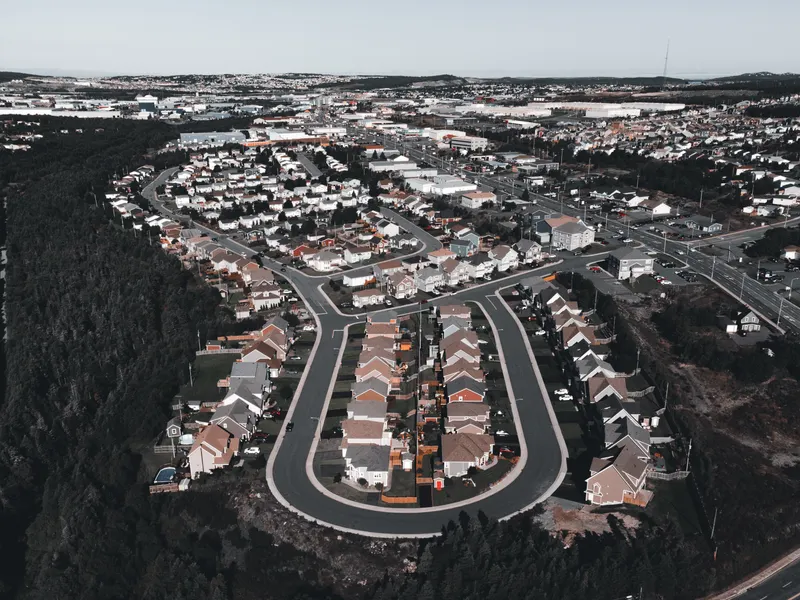
Coverage of All of Fairview's 75069 ZIP
We cover the whole town of Fairview under ZIP 75069, from Heritage Ranch to The Village at Fairview's mixed-use corner at US-75 and Stacy Road, with the same fixed-quote process regardless of lot size. Fairview grew 43.1% from 7,248 residents in 2010 to 10,372 by 2020 while holding its large-lot character, so its canopy skews fewer, bigger, more valuable trees per property than almost anywhere nearby.
That familiarity with Fairview's acreage lots and creek-adjacent parcels means faster evaluation and a quote built around the actual job.
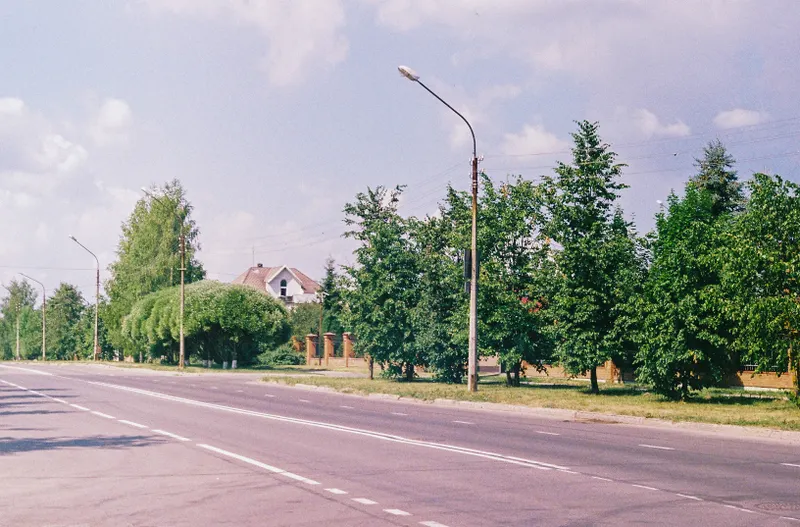
Coverage Bounded by US-75, SH-5 and Stacy Road
Fairview sits along US-75, SH-5, Stacy Road and Country Club Road, with Wilson Creek forming the town's wooded northeastern edge — a tight footprint at just 8.89 square miles meaning fast dispatch between jobs. Being immediately south and southeast of Allen, Fairview is often the closest call on the route, not a special trip.
Any address inside Fairview's boundaries gets the same priority scheduling as a job in Allen itself.
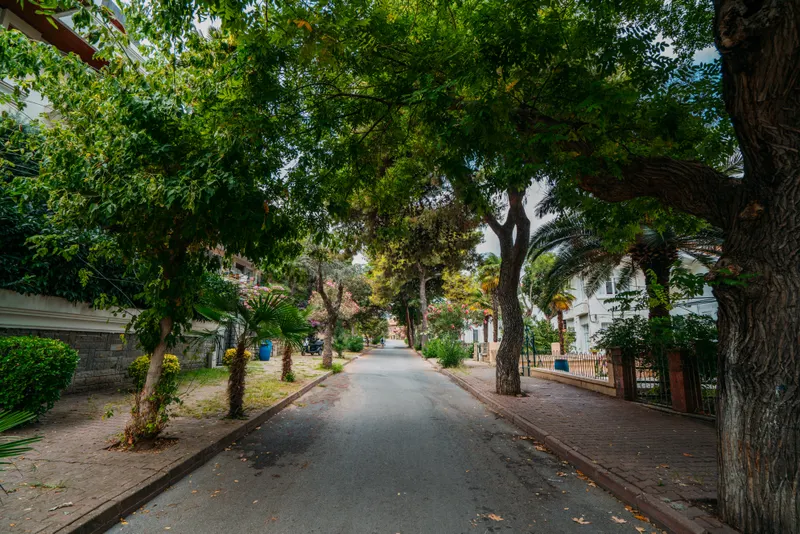
Serving Fairview and McKinney Together
Fairview and McKinney sit right next to each other, with Fairview bordering McKinney to the north, and a crew wrapping up a Fairview cabling job is frequently minutes from a McKinney oak-wilt treatment. Both towns share real native-oak canopy and oak wilt exposure at different densities — Fairview's large-acreage specimens versus McKinney's heritage downtown and subdivision canopy.
That overlap means a Fairview property isn't waiting on a special trip — the coordinated arborists already work this stretch of Collin County daily.
Fairview's large-lot 'Keeping It Country' character makes it the outlier on our route — fewer trees per property, but bigger, older and more structurally significant ones, with real oak wilt exposure and creek-bottom hardwood care along Wilson Creek. The full Allen tree service coverage area reaches south and southeast to Fairview, and the same arborists work McKinney directly north.
Whether a Fairview property needs a heritage oak cabled instead of removed, a large specimen brought down safely with crane support, or a creek-adjacent hardwood assessed for tree health care, the crews we coordinate handle tree removal, tree trimming and emergency tree service across all of Fairview. Call (469) 991-2798 any time — Open 24 Hours, dispatch knows this town's large lots and access roads.
Service Area
Serving Fairview & Nearby
Frequently Asked Questions
How much does it cost to remove a large tree in Fairview?
Fairview's large-lot 'Keeping It Country' character means the town's typical removal skews larger than a denser subdivision's — a medium tree between 30 and 60 feet runs $800 to $2,500, a large tree between 60 and 80 feet runs $2,500 to $5,000, and a very large or hazardous specimen needing crane support, common on Fairview's Heritage Ranch acreage lots, can run $5,000 to $15,000 or more. Hardwood species like the live oaks and red oaks dominating Fairview's canopy also cost 20 to 30% more to grind and remove than softer wood because of density. We give a written quote after an on-site assessment of the tree's size, condition and access, never a phone-only estimate.
Do I need a permit to remove a tree in Fairview?
Yes, in most cases — the Town of Fairview enforces its own tree preservation rules alongside its large-lot zoning, and protected-tree removal and mitigation route through town permitting, with the current threshold needing confirmation per address before work starts. Because a typical Fairview lot carries more large, mature specimen trees than a standard subdivision property, this review can matter more here than in a newer neighborhood. Dead, diseased and hazardous trees generally move through approval fastest. We confirm Fairview's current requirement for your specific property and handle the permit application and inspection scheduling as part of the job.
Why does Fairview have so many large, mature trees compared to nearby towns?
Fairview's 'Keeping It Country' zoning holds to large one-acre-plus lots rather than tight production subdivisions, so trees planted decades ago on Heritage Ranch and the surrounding acreage tracts have grown with room to reach genuinely large size, uncrowded by neighboring structures or other trees. That's a different pattern from McKinney's Stonebridge Ranch or Plano's older subdivisions, where dense same-era planting means many trees maturing together at a smaller scale. Fairview's result is fewer trees per property but far bigger, older and more structurally significant specimens — live oaks, red oaks, post oaks, cedar elms and pecans reaching sizes that require crane-assisted removal or cabling rather than routine trimming.
What are the signs my oak in Fairview has oak wilt?
Early oak wilt symptoms include leaf veins discoloring while the leaf margin stays green, followed by rapid wilting and leaf drop that can defoliate a live oak within weeks — a disease confirmed in 76 Texas counties and lethal at epidemic proportions across Central Texas. On Fairview's large acreage lots, closely spaced heritage oaks are especially vulnerable because the fungus spreads below ground through root grafts between neighboring trees, meaning one infected oak can threaten several others on the same property. Early intervention, including trenching to sever root grafts, can sometimes save adjacent trees even when the first oak is lost. We assess and recommend a treatment or removal plan case by case.
When is it safe to prune oak trees in Fairview?
Texans are urged not to prune or wound oak trees from February through June, when the oak wilt fungus and its sap-feeding beetle vector are most active, and a fresh cut is exactly the kind of wound the disease exploits to enter a tree. Because Fairview's canopy is so heavily weighted toward live oaks and red oaks on large acreage lots, this restriction matters more here than in towns with a more mixed tree inventory. Outside that window, oak pruning carries considerably lower risk. If a Fairview oak needs emergency work during the restricted season — after storm damage, for instance — we treat the wound appropriately rather than skipping necessary safety work.
What is cabling and bracing, and does my Fairview tree need it?
Cabling and bracing uses extra-high-strength support cable and threaded bracing rods, installed to ANSI A300 standard, to redistribute load away from a structurally weak point in a tree — a splitting co-dominant stem, a heavy over-extended limb, or a trunk with included bark — without altering the tree's natural form. This kind of preservation work comes up far more often in Fairview than in denser subdivisions, simply because the town's large acreage lots hold more mature, structurally significant specimen trees worth saving. An arborist evaluation determines whether cabling can extend a compromised tree's safe life or whether removal is the more responsible call given the risk to nearby structures.
Do you offer 24/7 emergency storm response in Fairview?
Yes — we're Open 24 Hours, and Fairview's large acreage lots put more mature canopy directly over homes, barns and fencing than a tighter subdivision lot would, which means North Texas's violent spring storm season causes more damage per property here when it hits. A downed limb over a driveway, a leaning heritage oak after high winds, or storm damage threatening outbuildings or livestock fencing all qualify for same-day make-safe dispatch. Full cleanup and debris haul-off typically follow once the property is secured. Call (469) 991-2798 any time, and the coordinated crews already familiar with Fairview's large lots and access roads respond directly.
How much of a tree can be trimmed at once in Fairview?
ANSI A300 pruning standards direct that no more than about 25% of a tree's live canopy be removed in a single year, a limit that matters significantly for Fairview's large heritage specimens, where over-pruning can trigger stress responses in a tree that's taken decades to reach its current size. The arborists we coordinate with plan multi-year pruning schedules for a Fairview oak or pecan that needs more extensive structural correction, rather than forcing it into a single visit. We never top a tree or endorse 'crape murder' shortcuts on any Fairview property, regardless of how large or overgrown the tree has gotten.
Do you grind the stump and haul away debris after a Fairview tree removal?
Yes — full cleanup and haul-off is standard on every Fairview job, not an upsell. Stump grinding is typically priced at $2 to $5 per diameter inch with a roughly $300 minimum, and takes about 30 minutes to 2 hours depending on the stump's size; hardwood species like the oaks and pecans common on Fairview's acreage lots cost 20 to 30% more to grind than softer wood because of density, and Fairview's larger-than-average specimen trees can mean larger-than-average stumps. After grinding, we haul off the ground material and any remaining debris, including from creek-adjacent Wilson Creek jobs, so the property is left clean, with backfill included.
What makes Fairview acreage trees different to work on?
The tree crews and arborists we coordinate with on every Fairview job follow ANSI A300 pruning and ANSI Z133 safety standards on every removal, cabling job, and storm response. Many hold the arborist credential, which requires ongoing continuing education to maintain, and some carry years of specimen-tree experience or formal tree-risk assessment training — relevant given how much large, high-value specimen tree work Fairview's acreage lots generate compared to a standard subdivision. We coordinate these credentialed pros rather than run a single in-house crew. Ask for the written scope before a crew starts work on your property.
How long does a large tree removal or cabling job take in Fairview?
A standard tree removal with good access generally takes a few hours to a full day, but a large or crane-assisted removal — more common in Fairview given the scale of the town's typical specimen trees — usually runs 1 to 2 days. Cabling and bracing installation on a single tree is typically a shorter visit than a full removal, since no felling or debris haul-off is involved. Stump grinding adds 30 minutes to 2 hours once a tree is down, sometimes longer for Fairview's larger stumps. Emergency storm response is handled same-day for the make-safe portion, with full cleanup sometimes following on a separate visit.
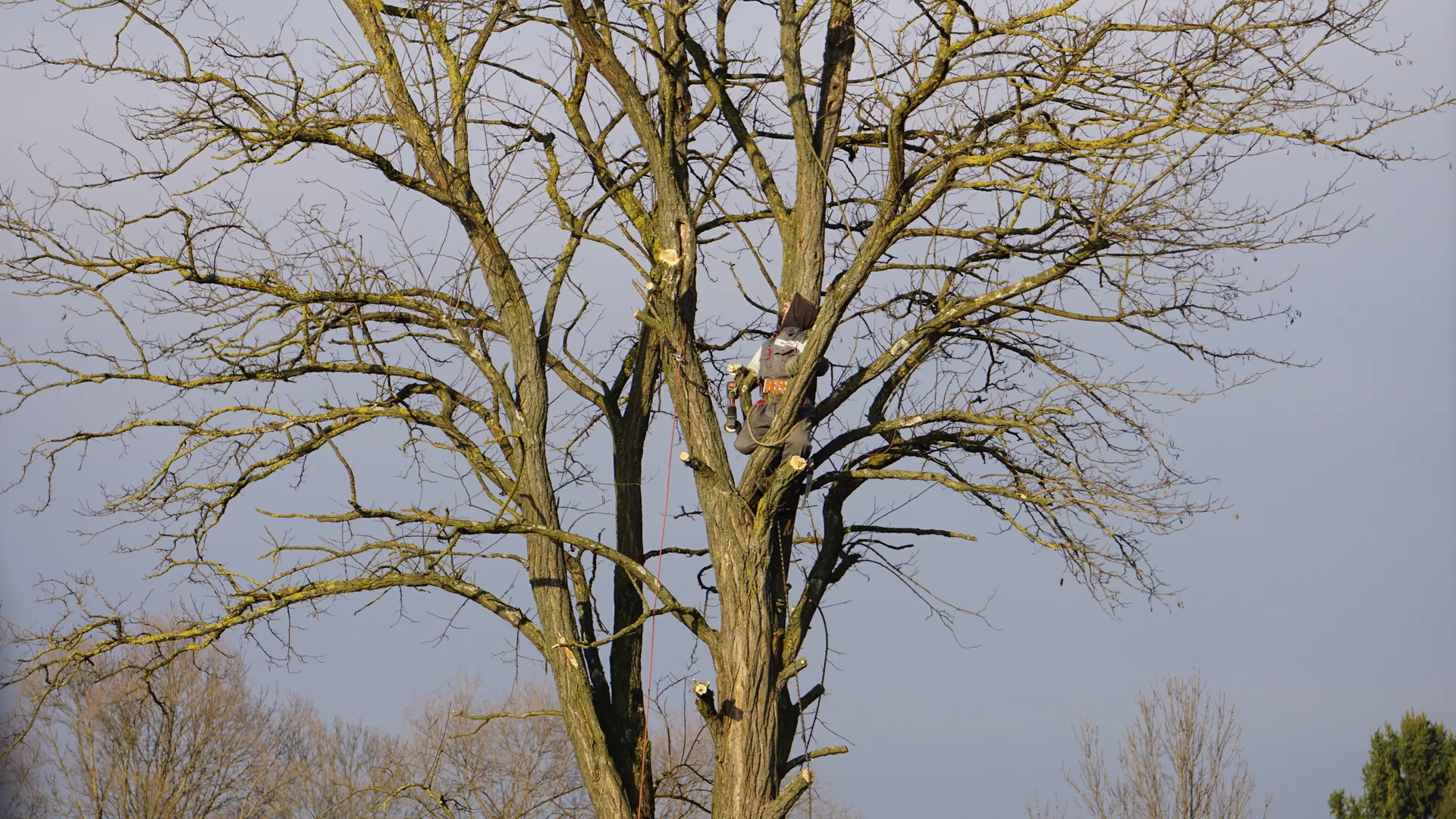
Get a Fixed-Price Tree Care Quote for Your Fairview Property
arborists, ANSI A300/Z133 standards, Open 24 Hours.
(469) 991-2798