Tree Service · Allen, TX
Land & Lot Clearing in Allen, TX
Tree Service Allen Woods Co coordinates land and lot clearing across Allen, McKinney, Plano, Fairview, Lucas, and the wider Collin County stretch of Dallas–Fort Worth — 15 years of local coordination, calls answered 24 hours a day. The scope runs from a full lot cleared to bare dirt for a new build, to selective clearing that opens up an acreage lot while leaving specimen oaks standing, to brush, undergrowth, and fence-line clearing on a property that's gotten away from its owner. Builders and acreage owners closing on raw ground in Fairview or Lucas call for one job; a homeowner whose back half-acre has grown into a thicket calls for a completely different one, and both get scoped on-site rather than quoted blind.
Clearing at lot or acreage scale is a different discipline than felling a single tree, which is why it's coordinated as its own crew scope with its own equipment — skid steers with forestry mulching heads, brush cutters, and grapple trucks instead of climbing gear and rigging rope. An arborist walks the site first on any job where trees are staying, flagging the live oaks, red oaks, pecans, and cedar elms worth protecting before a single machine moves, because a clearing crew working without that eye will just as happily grind down a 40-year-old oak as a stand of privet. That distinction matters more here than almost anywhere in North Texas: Allen's population grew more than 470% between 1990 and 2020, and the acreage lots still being subdivided in Fairview and Lucas today are exactly the ground where a mature specimen tree either becomes a shaded selling point or an accidental casualty of clearing.
This page covers land and lot clearing at acreage scale — full-site clearing, selective clearing, brush removal, and forestry mulching. A single dead, hazardous, or storm-damaged tree on a developed lot is tree removal, which is priced and scoped by the tree rather than the acre; the stump left behind after either job is handled on stump grinding. If the goal is a buildable pad or a usable, walkable acre rather than one tree coming down, this is the right page.
A clearing job runs through the same sequence every time: a site walk to mark what stays and what goes, a check of the property's municipal tree-preservation and grading rules, then mechanical clearing with debris either mulched on-site or hauled off, and a final grade that accounts for Collin County's clay soils and drainage before any construction or landscaping follows. Fixed written quotes are scoped by acreage, access, and stand density rather than a flat per-lot number, and the same crews are on call 24 hours a day for a fence-line or brush job that's gotten out of hand.
What We Do
Our Land & Lot Clearing Services in Allen
A new-construction lot, an acreage property keeping its best trees, and an overgrown fence line each need a different scope. Here's how the coordinated crews approach each one.
Full Lot Clearing for Construction
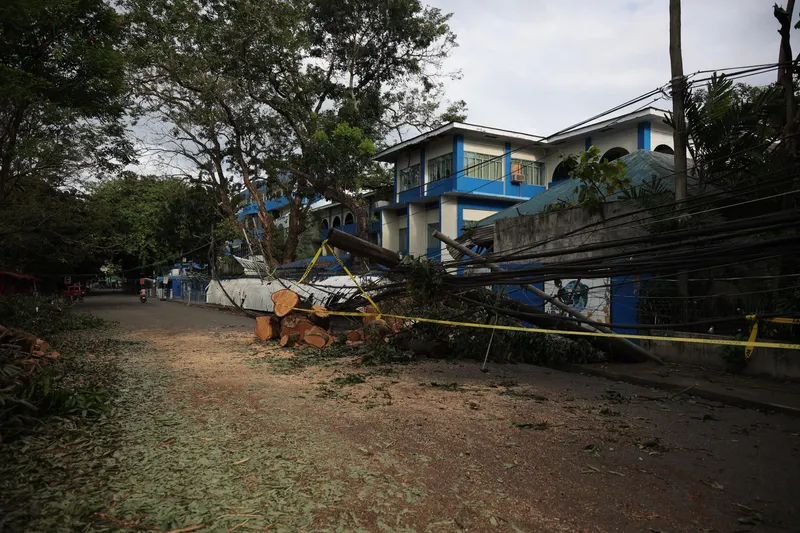
A lot destined for a new build in Fairview or on the newer acreage tracts around Lucas typically gets cleared to grade in one pass — trees, brush, and stumps removed so a builder has a clean, buildable pad. Because most of Collin County sits on Blackland Prairie clay that swells and shrinks with the seasons, the clearing crew also grades with drainage and erosion in mind rather than just scraping the site flat.
Debris is either hauled off or ground on-site into mulch, and any protected trees on the parcel are flagged and confirmed against city rules before equipment moves.
Selective & Partial Clearing
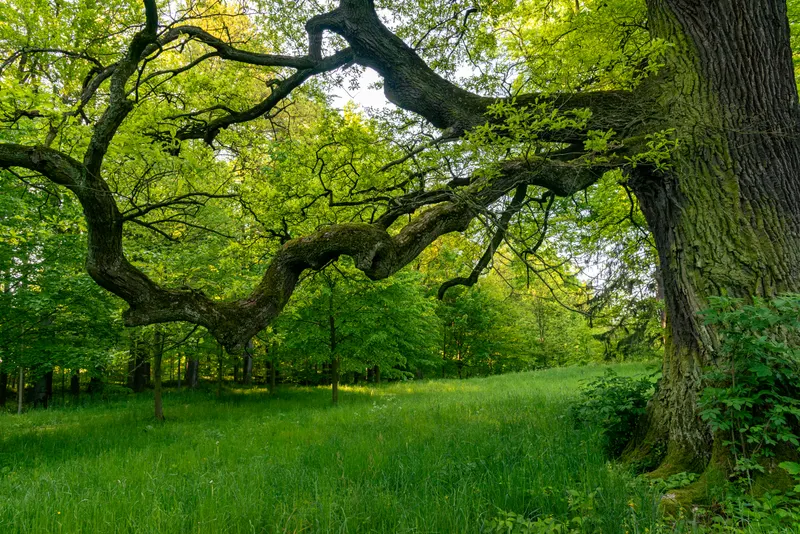
Not every acreage owner wants a bare lot. Selective clearing opens up sightlines, building envelopes, or usable yard space while leaving specimen oaks, pecans, and other mature trees standing — the arborist marks keepers before the machines start, and the crew works around root zones rather than compacting soil or grading over them.
This is the common request on the large-lot, 'Keeping It Country' zoning that defines Fairview and the acreage tracts around Lucas, where the value of the property often is the mature canopy.
Brush & Undergrowth Clearing
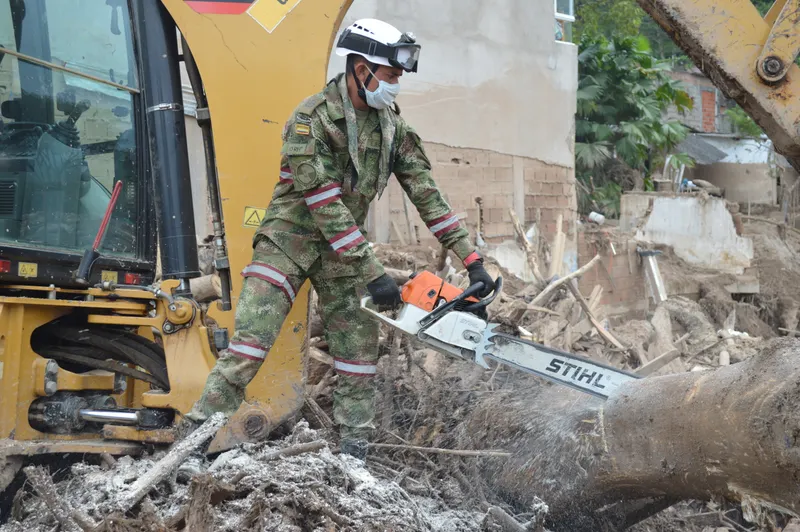
A property line, pasture edge, or back acreage that's gone unmanaged for a few seasons fills in fast with privet, greenbrier, cedar saplings, and volunteer elm — dense enough to hide fence damage, attract pests, and make the land unusable. Brush clearing cuts and removes that undergrowth back to bare or mowable ground without touching the mature trees left standing above it.
This is typically priced by acreage and density rather than by the tree, since the work is volume of material, not individual specimens.

Forestry Mulching
Forestry mulching grinds brush, saplings, and unwanted trees into mulch in a single pass with a mulching head instead of cutting, piling, and hauling separately, which is faster and leaves the ground protected from erosion on Collin County's clay soils. It's the preferred method for overgrown acreage where the goal is usable land rather than a construction-ready pad.
Mulched material can be left on-site to suppress regrowth and hold moisture, or hauled off if the client wants bare ground instead.
The Benefits
Deciding How Much of a Lot to Clear
Clearing everything isn't always the right call, and neither is clearing nothing. Here's how the coordinated arborists and crews weigh it.

When Full Clearing Makes Sense
A lot going to foundation, driveway, or septic work generally needs to be cleared completely in that footprint, since roots and stumps left in place will only complicate grading and compaction later. Dense, low-value brush and undergrowth with no specimen trees worth saving is also a straightforward full-clear rather than a selective job. The call gets made on-site, against the actual build plan, not as a default.

When Selective Clearing Protects Value
A mature live oak or pecan shading a homesite is worth more standing than cleared, both for resale and for the cooling it provides through Collin County's long summers. Selective clearing keeps those trees while still opening the buildable area or sightline the owner needs, and it's the standard approach on the larger acreage lots around Fairview and Lucas where big, established trees are the point of the property, not an obstacle on it.
Permits, Protected Oaks & Erosion Control
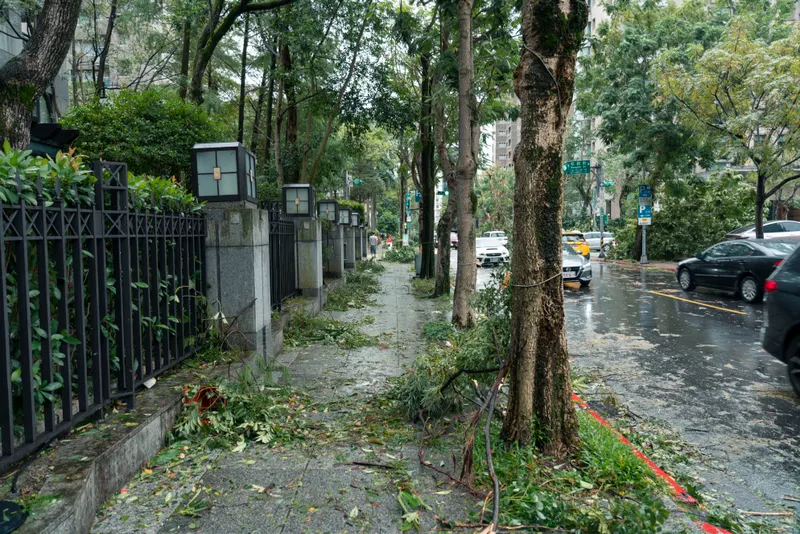
Allen's tree preservation ordinance protects trees at roughly 6-inch caliper and larger, and clearing a developed or soon-to-be-developed lot without confirming that threshold first can mean a permit and mitigation requirement discovered after the fact rather than before. McKinney, Plano, and Fairview each run their own version of the same rule for lot-scale work. Grading also has to account for how Blackland Prairie clay erodes once the canopy that was holding it in place is gone, which is why erosion control is part of the clearing plan, not an afterthought.
A single hazardous or dead tree on a developed lot is a different job than clearing ground — see tree removal for that scope, and stump grinding for what happens to the stumps a clearing job leaves behind. Fairview's large-lot "Keeping It Country" zoning is a good example of the acreage-scale, tree-preserving clearing this page describes — see tree service in Fairview, TX for what that looks like locally. For the complete list of what's coordinated across Allen and Collin County, see our services — the same Allen tree service crew network clearing lots and acreage on every property here.
Frequently Asked Questions
How is land clearing priced if there's no flat rate per acre?
Land and lot clearing is scoped on-site rather than quoted off a flat per-acre number, because the real cost drivers are stand density, equipment access, and how much of the lot is staying versus going. A half-acre of light brush clears far faster than a half-acre of mature cedar elm and privet thicket, and a lot with road access for a mulching machine costs less to clear than one that needs material hand-carried out. We walk every site and give a fixed written quote before equipment shows up, so the number is real, not a range that grows once work starts.
What's the difference between land clearing and tree removal?
Tree removal is scoped and priced by the individual tree — a single dead oak or storm-leaning cedar elm, handled with climbing gear and rigging. Land clearing works at lot or acreage scale, using skid steers, mulching heads, and grapple equipment to clear an entire building pad, an overgrown back acre, or a fence line in one coordinated pass. A property can need both: a hazardous specimen tree removed individually, and the surrounding brush cleared separately. See tree removal for the single-tree scope.
Do I need a permit to clear land in Allen or Fairview?
It depends on the trees involved. Allen's tree preservation ordinance protects trees at roughly 6-inch caliper and larger, so clearing a developed lot that includes qualifying trees generally requires a permit and can require mitigation, such as replacement plantings. Fairview enforces its own version of the same rule alongside its large-lot 'Keeping It Country' zoning, and McKinney and Plano each run comparable ordinances for lot-scale work. We confirm the current threshold for the specific parcel before any equipment moves, since raw acreage outside a city's limits can carry different rules than an in-town lot.
Can you clear a lot but keep specific trees standing?
Yes — this is selective or partial clearing, and it's the standard request on larger acreage lots around Fairview and Lucas where a mature live oak, pecan, or red oak is worth more standing than cleared. An arborist walks the site before the machines start, flags the trees to protect, and the crew works around those root zones during clearing and grading rather than compacting soil over them. The alternative, clearing first and hoping a tree survives afterward, usually doesn't work — roots damaged during grading often show decline months later.
What is forestry mulching and when is it used instead of full clearing?
Forestry mulching uses a skid steer fitted with a mulching head to grind brush, saplings, and unwanted trees into mulch in a single pass, rather than cutting, piling, and hauling material separately. It's typically the right method for overgrown acreage where the goal is usable, walkable land rather than a construction-ready pad, and it protects Collin County's clay soils from erosion better than scraping bare ground does. Mulched material can be left in place to suppress regrowth and hold moisture through the summer, or hauled off if the client prefers bare dirt.
Will clearing a lot cause erosion or drainage problems on clay soil?
It can, if the grading plan doesn't account for it. Most of Collin County sits on Blackland Prairie clay that swells when wet and cracks hard when dry, and removing the canopy and root systems that were holding a slope in place changes how water moves across a cleared lot. We grade with drainage in mind as part of every clearing job, and forestry mulching in particular leaves more ground cover in place than a full scrape, which helps limit runoff and erosion until landscaping or construction follows.
How long does clearing a residential lot or acreage take?
A standard residential lot with light-to-moderate brush and good equipment access typically clears in a day or two. An acreage property with dense stands, selective-clearing requirements, or limited access for a mulching machine can run several days to a week or more, depending on density and how much material is being removed versus mulched in place. We give a realistic timeline as part of the on-site quote rather than a generic estimate, since access and density swing the schedule more than raw acreage does.
What happens to the trees, brush, and stumps after clearing?
Cleared material is either hauled off the property or ground into mulch on-site, and the client's preference drives which. Forestry mulching leaves ground-up material in place to suppress regrowth and reduce erosion, which many acreage owners prefer for open land; a construction-bound lot more often gets hauled clean for a buildable pad. Stumps from any trees taken down during clearing can be ground the same visit or scheduled separately — see stump grinding for that scope on its own.
Is land clearing available for brush and fence-line overgrowth, not just full lots?
Yes — brush and fence-line clearing is one of the most common calls, especially on properties where privet, greenbrier, cedar saplings, and volunteer elm have filled in a back acre or a property line over a season or two. This work is priced by density and acreage rather than by individual tree, and it typically leaves mature trees standing while clearing the undergrowth back to bare or mowable ground. It's common on the larger lots around Fairview and Lucas, where a fence line can disappear into brush faster than a smaller in-town yard's would.
Do you coordinate with builders on new-construction lots?
Yes. New-construction lot clearing in Fairview and the acreage tracts around Lucas is scheduled around a builder's timeline, with the site cleared, graded for drainage, and left ready for foundation work rather than handed over as a rough scrape. Any protected trees on the parcel are confirmed against Allen, Fairview, McKinney, or Plano's tree preservation rules before clearing starts, since a permit issue discovered mid-build costs far more time than confirming it up front. Debris disposal, whether hauled off or mulched on-site, is agreed with the builder as part of the same quote.
Get Your Land Clearing Quote
Full lot clearing, selective clearing, or brush and forestry mulching — scoped on-site. Call (469) 991-2798, 24 hours a day.
(469) 991-2798